Most family-owned properties don't make it past three generations. The first generation builds it, the second maintains it, and the third sells it off to developers for a quick paycheck. It's a predictable American cycle.
Yet the Hutchinson Ranch in Colorado's Upper Arkansas Valley broke that exact rule.
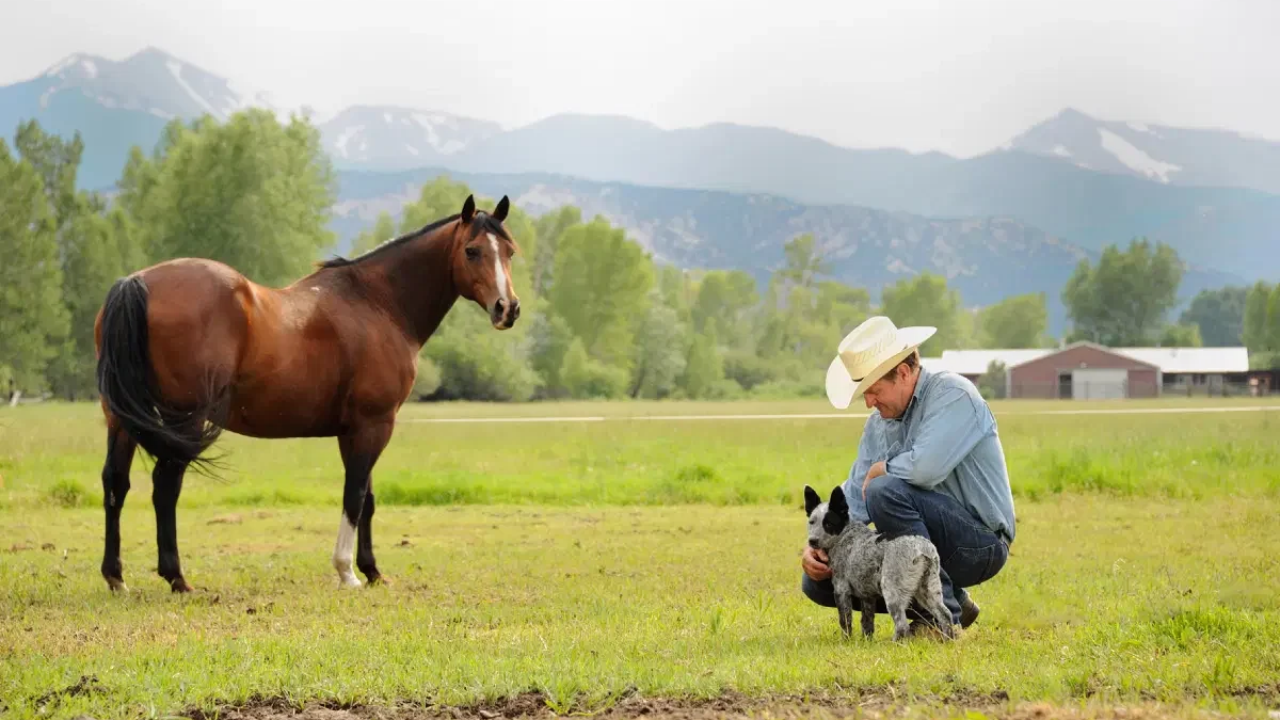
Stretching along US Highway 50 between Salida and Poncha Springs, this 700-acre cattle operation has stayed in the same family for six generations. Long before Colorado became the 38th US state in 1876, Joseph Sykes Hutchinson and his wife Annabel carved out a homestead here in 1868. Joseph had just survived the Civil War, taking a wound at the Battle of Vicksburg before heading west. By the 1870s, the family's cattle empire spanned over 5,000 head across the region.
Today, holding onto land like that requires more than stubbornness. It takes strategic legal defense against relentless suburban sprawl.
The Reality of Keeping Historic Land Intact
Passing down a massive piece of agricultural property isn't a romantic movie montage. It's an uphill financial battle. Property taxes spike, heirs disagree on inheritances, and local real estate pressures make selling look like the only rational choice.
Instead of folding, the Hutchinson family took a different route. They locked down 650 of their roughly 700 acres through permanent conservation agreements.
Don't confuse this with giving the land away. The family still owns every single acre. They still run cattle. They just legally stripped away the right to ever subdivide it into housing lots or commercial strips.
The protection happened in phases. In 2010, the family donated a conservation easement on 180 acres to the Land Trust of Upper Arkansas. Soon after, The Trust for Public Land stepped in to purchase development rights for another 470 acres through agreements finalized between 2011 and 2013, held by the Colorado Cattlemen's Agricultural Land Trust. Backing came from heavy-hitting groups like Great Outdoors Colorado, the Natural Resources Conservation Service, and Colorado Parks & Wildlife.
Why Conservation Easements Actually Work for Ranchers
If you talk to independent ranchers, many are deeply skeptical of outside organizations sticking their noses into private property rights. That's a fair concern. But conservation easements offer a specific compromise.
An easement is a binding legal contract recorded with the property deed. It restricts future industrial or residential development while keeping the agricultural use alive. For families facing crushing estate taxes or high land valuations, selling development rights can inject vital cash into the operation without forcing them off the ranch.
For the Hutchinsons, it meant granddaughter Abby Hutchinson could take over management of the cattle operation without worrying that the neighbor's pasture would turn into a strip mall next year. It honors the legacy built by figures like Wendell "Doc" Hutchinson—born in 1924, a World War II veteran, local veterinarian, and community pillar who spent decades balancing a medical practice just to keep the family ranch afloat.
Lessons From a 150-Year-Old Homestead
You don't need a 700-acre ranch in the Rocky Mountains to apply these lessons to generational property or family assets.
- Plan decades ahead. Waiting until a crisis hits forces emotional, expensive mistakes. The Hutchinsons spent years working with land trusts before finalizing their easements.
- Separate land ownership from development rights. You can protect the utility and heritage of a property without losing title control.
- Diversify income streams. Wendell Hutchinson practiced veterinary medicine to prop up the cattle business during lean years. Relying on a single revenue source in agriculture is a fast track to failure.
The old West is disappearing under asphalt and luxury cabins. But by combining legal foresight with sheer grit, some families are proving that heritage doesn't always have to lose to progress.