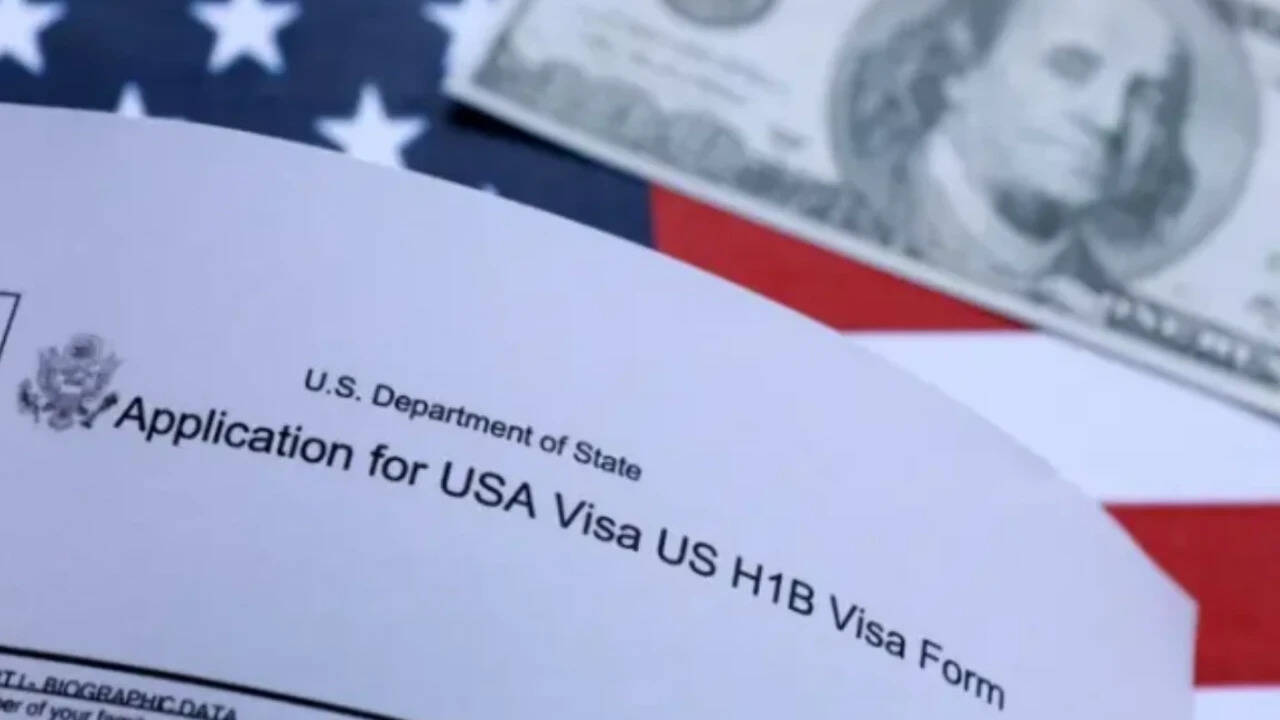
Federal courts are putting a hard stop to the White House's most aggressive immigration pricing strategy yet. A second US federal judge just blocked the administration's controversial 100,000 dollar fee on new H-1B visas. If you've been watching corporate immigration policy unfold over recent months, you know this creates an enormous hurdle for tech giants and international professionals alike.
US District Judge Haywood Gilliam issued the ruling in Oakland, California. He sided with a broad coalition of labor unions, employers, and nonprofit groups. The core issue? Federal agencies completely bypassed mandatory notice-and-comment procedures before trying to enforce the steep charge.
Why the Courts Keep Striking Down the Fee
You can't just slap a six-figure price tag on a federal visa program overnight. That's basically what federal judges keep telling the administration.
Judge Gilliam's injunction follows a very similar blow dealt back in June. In that case, US District Judge Leo Sorokin in Boston blocked the exact same fee after 20 US states sued. Sorokin ruled that the White House massively exceeded its executive authority by imposing a charge without congressional approval. When the administration tried to appeal, a Boston-based federal appeals court refused to lift the block.
The strategy is falling apart because administrative law has rules. Agencies like USCIS and the State Department must follow strict rule-making protocols. Skipping those steps leaves executive orders wide open to immediate legal challenges.
What the 100,000 Dollar Fee Meant for Employers
Before this policy dropped, standard government filing fees for H-1B applications hovered between 2,000 and 5,000 dollars depending on company size and specific requirements. Suddenly jumping to 100,000 dollars for certain new applicants arriving from abroad changed the math entirely.
Congress created the H-1B system back in 1990 to help US companies fill specialized roles requiring advanced skills. The annual cap sits at 65,000 standard visas, plus another 20,000 slots reserved for individuals holding advanced degrees from American universities. Tech companies, engineering firms, and healthcare institutions rely heavily on these pathways to source talent from countries like India and China.
The administration defended the massive price hike as a necessary correction. Officials argued that corporations were abusing the system by bringing in cheaper foreign labor to replace American workers. Even so, charging 100,000 dollars per worker priced many mid-sized firms and startups out of the market entirely. According to recent reports, very few employers actually paid the fee before the courts stepped in.
What Happens Next for H-1B Applicants
Don't assume the fight is over just because judges issued injunctions. The White House already extended its original temporary directive through September 2027.
Meanwhile, the Department of Homeland Security is pursuing a separate, permanent fee proposal targeting roughly 103,000 dollars. Because that track uses formal rule-making procedures, it operates under different legal parameters. Business lobbying groups like the US Chamber of Commerce are gearing up for long court battles on multiple fronts.
If you are an applicant or an employer navigating these changes, keep a close eye on administrative updates. The current court rulings halt the immediate 100,000 dollar charge, but long-term regulatory costs remain entirely up in the air. Track ongoing litigation closely and consult qualified legal counsel before making major international hiring moves.