Nine American citizens. Zero official US reports demanding accountability.
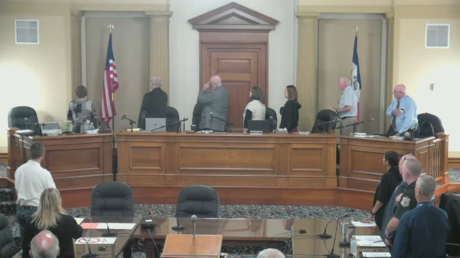
That is the stark reality following a recent Senate vote that killed a bipartisan effort to investigate how US security aid contributes to civilian deaths and detentions in the occupied West Bank. Sponsored by Senator Chris Van Hollen, the resolution went down 47-53. Washington drew another firm line around its foreign policy status quo, refusing to look too closely at what happens when American-made weapons and diplomatic cover meet occupied territory.
If you are wondering why Congress continues to block oversight on foreign military assistance, you have to look past the talking points. The numbers tell a much harder story.
The Push for Accountability That Stalled in Washington
Van Hollen forced the vote using an obscure mechanism baked into the Foreign Assistance Act of 1961. This section allows individual lawmakers to demand formal State Department reports on human rights practices in any country receiving American military backing.
The proposal wasn't radical. It asked for a simple unclassified report within 30 days detailing investigations into nine Americans killed in the West Bank since January 2022. It also targeted the treatment of US citizens held in Israeli prisons and the conditions facing Palestinian children caught in military detention.
Instead of passing, the chamber split almost entirely along party lines. Senator John Fetterman broke from his party to vote against advancing the text, while Republican Senator Rand Paul crossed the aisle to back it.
Who Was on the List
The blocked resolution brought names to the floor that Washington often prefers to leave off the agenda.
High-profile cases like Shireen Abu Akleh, the Palestinian-American journalist and Al Jazeera correspondent shot and killed in Jenin in May 2022, formed the backbone of the argument. Alongside her was Aysenur Ezgi Eygi, an activist shot dead by an Israeli soldier in September 2024, and Sayfollah Kamel Musallet, who died following an attack by Israeli settlers in July 2025.
Younger victims included teenagers like Amer Mohammad Saada Rabee, Tawfic Abdel Jabbar, and Mohamed Ahmad Alkhdour.
Beyond fatalities, the text highlighted the harrowing detentions of American teenagers. Take Mohammed Ibrahim, a 16-year-old from Florida. Arrested in February 2025, he spent nine months in pretrial detention without family contact. When embassy officials and lawyers finally secured a visit, they reported he had lost a quarter of his body weight, contracted scabies, and suffered severe physical abuse.
The Legal Tools Congress Refuses to Use
Why did this fail? Lawmakers who voted against the measure argued it would strain a vital alliance or interfere with delicate diplomatic channels. Critics of the vote point to something simpler: political cowardice.
The Foreign Assistance Act was written precisely for moments like this. Section 502B explicitly blocks security assistance to any government engaging in a consistent pattern of gross violations of internationally recognized human rights. Yet successive administrations have found ways to bypass these requirements, treating human rights reporting as optional rather than mandatory.
When Congress votes 53-47 to block a basic request for information about dead citizens, it sends a clear signal. Foreign policy consistency takes a back seat to domestic political alignment.
What Happens Next
Nothing changes on the ground tomorrow. Security assistance flows uninterrupted. Investigations into the deaths of American citizens remain stalled, lacking both local cooperation and Washington pressure.
If you want to track how US foreign policy actually operates, stop listening to speeches about human rights. Watch how Congress votes when a colleague asks for a single piece of paper documenting who killed US citizens abroad. The answer is right there in the tally.