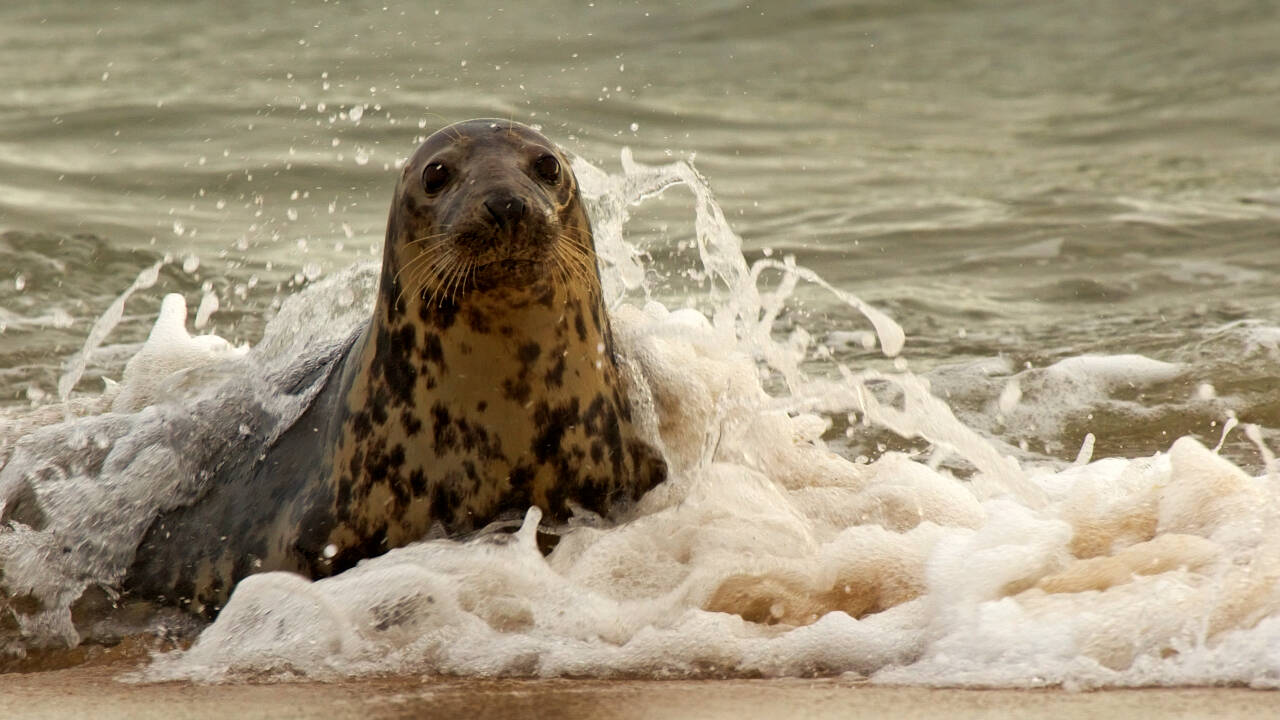
Marine wildlife encounters with human trash are becoming a grim daily routine along the British coastline. Recently, a young gray seal found near Horsey in Norfolk exposed just how brutal discarded fishing gear can be. Named Donut by her rescuers, the roughly one-year-old animal was hauled off the beach carrying four kilograms of commercial netting, twine, metal hooks, and lines tightly fused around her neck.
The heavy debris acted like a razor-sharp collar, cutting a terrifying three-inch-deep wound into her flesh. She could barely move or hunt, leaving her starving and fighting for every breath. While public volunteers and the Friends of Horsey Seals group managed to get her onto a stretcher, her ordeal is far from over. She now faces months of intensive medical treatment at the RSPCA East Winch Wildlife Center, assuming she pulls through the critical phase.
The Silent Killer Lurking off the Norfolk Coast
Ghost gear isn't a new concept, but the sheer scale of debris choking marine mammals demands a harder look at commercial and recreational fishing habits. Abandoned lines and nets don't simply vanish; they drift for decades, catching anything unfortunate enough to swim past.
For a young seal, learning to hunt fish in rough coastal waters requires complete physical agility. When four kilograms of heavy-duty synthetic rope and metal wrap around an animal's neck, it restricts blood flow, ruins buoyancy, and creates chronic infection zones. Donut's three-inch wound tore through muscle and tissue layers, meaning veterinarians have a grueling battle ahead just to stop sepsis from taking over.
It is easy to view these incidents as isolated accidents. They aren't. Beach patrols across Norfolk regularly encounter seals bearing scars or active lacerations from monofilament lines.
What Happens During Seal Rehabilitation
Treating an animal with extensive constriction injuries takes specialized infrastructure and immense patience. At centers like RSPCA East Winch, the protocol goes far beyond basic first aid.
- Immediate wound debridement to clear out rotting tissue and embedded plastic fibers.
- Heavy courses of antibiotics to fight off waterborne infections in deep tissue.
- Tube feeding and specialized fish diets to rebuild body mass for an animal too weak to catch prey.
- Gradual introduction to rehabilitation pools once the wound closes, testing if the seal can swim without straining neck muscles.
Even with top-tier care, rehabilitation takes months. Many animals never make it back to the wild because the psychological and physical trauma alters them permanently. Donut's survival hangs in the balance because the debris cut so close to vital blood vessels and nerves in her throat.
How to Help Coastal Wildlife Before It Is Too Late
If you walk the UK coastline, you've likely spotted discarded tackle, tangled monofilament, or broken plastic crates washed ashore. Leaving it there or kicking it aside is a mistake.
Always pick up loose fishing line and cut loops into smaller pieces before throwing them away in secure bins. Animals stick their heads into anything circular, and an intact loop acts as an instant trap.
If you spot a seal trailing net or exhibiting signs of distress on the beach, keep your distance, keep dogs away, and call local rescue groups immediately. Organizations like the RSPCA or regional seal groups rely on exact location reports to deploy teams before the tide turns or the animal retreats into the surf. Quick intervention is the only thin line keeping marine animals alive in an ocean full of our waste.


