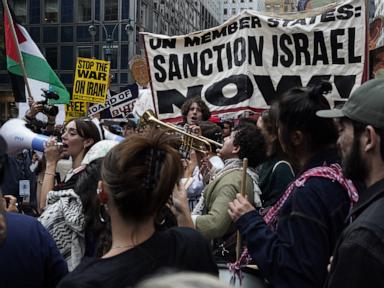
The United Nations just cranked up the pressure on international commerce. The UN human rights office expanded its controversial settlements blacklist, throwing 61 new corporations onto a register that targets businesses operating in Israeli-held areas of the West Bank.
That update brings the total count to 214 companies spanning 11 nations. Most are Israeli, but the registry also ropes in multinational players from countries like the United States, France, Germany, and China. If you think this is just empty diplomatic noise, look closer. Western governments are starting to turn these UN updates into hard trade policy.
The Reality Behind the Registry
Let’s be honest about what this list actually does. First published back in 2020 after a UN Human Rights Council mandate, the database doesn't carry legal enforcement powers. It cannot fine a corporation, shut down a factory, or freeze a bank account.
Instead, its core weapon is exposure.
The strategy relies on name-and-shame dynamics. Activists, institutional investors, and municipal pension funds use the compilation to justify pulling capital out of listed entities. When a massive asset manager divests because a subsidiary built infrastructure or supplied surveillance tech to a West Bank settlement, the financial sting is real.
Volker Türk, the UN human rights chief, defended the move by pointing straight at corporate accountability. He argues that companies hold a direct responsibility to run rigorous due diligence. If their supply chains or real estate holdings prop up what the UN considers illegal territorial expansion, they share the blame for rights violations.
Who Just Got Nailed
The fresh additions cover heavy industries, logistics, and consumer products. Among the newly cataloged names are major entities like ADAMA, an Israeli pesticide producer owned by the Chinese multinational Syngenta Group, and Alony Hetz, a prominent real estate investment firm. Logistics firms like Spain's Salvat Logistica also landed on the ledger.
The office evaluates entities based on specific criteria. They look at whether a business supplies demolition gear for razing Palestinian structures, builds settlement infrastructure, or provides security surveillance systems that maintain these communities.
Interestingly, the registry isn't a one-way street. Five companies that sat on the previous roster of 158 were scrubbed out. Travel platforms like eDreams and Opodo managed to get dropped after proving they severed automated listing connections that pulled in properties inside settlements without manual oversight. Expedia has faced similar scrutiny, defending its practices by claiming its listings are explicitly labeled and comply with existing standards.
Israel Fights Back
Israel’s diplomatic mission in Geneva didn't mince words. Officials slammed the database as a partisan weapon, calling it a distorted mechanism engineered by a hostile body to drive a political smear campaign. From Jerusalem's perspective, the companies are committing zero wrongdoing and simply operating within normal commercial boundaries.
Prime Minister Benjamin Netanyahu's government has accelerated settlement development, particularly in the wake of the ongoing regional conflicts. To Israeli leadership, tools like the UN database aren't neutral human rights monitoring. They view them as economic warfare disguised as bureaucracy.
Why This Matters Beyond Geneva
The real teeth of this update aren't coming from the UN itself. They are coming from national capitals.
Governments are beginning to operationalize these grievances. Britain recently banned trade operations tied directly to Israeli settlements in the West Bank, pointing to escalating extremist violence and settlement expansion. France and Canada have signaled identical moves.
When a UN blacklist pairs up with national trade bans, corporate risk skyrockets. Compliance officers at multinational firms can no longer treat these reports as background reading. If you manage an international portfolio, your legal risk assessment needs a serious update today. Audit your supply chains, review your subsidiary holdings, and evaluate whether your enterprise is exposed to disputed territories before regulators make that decision for you.