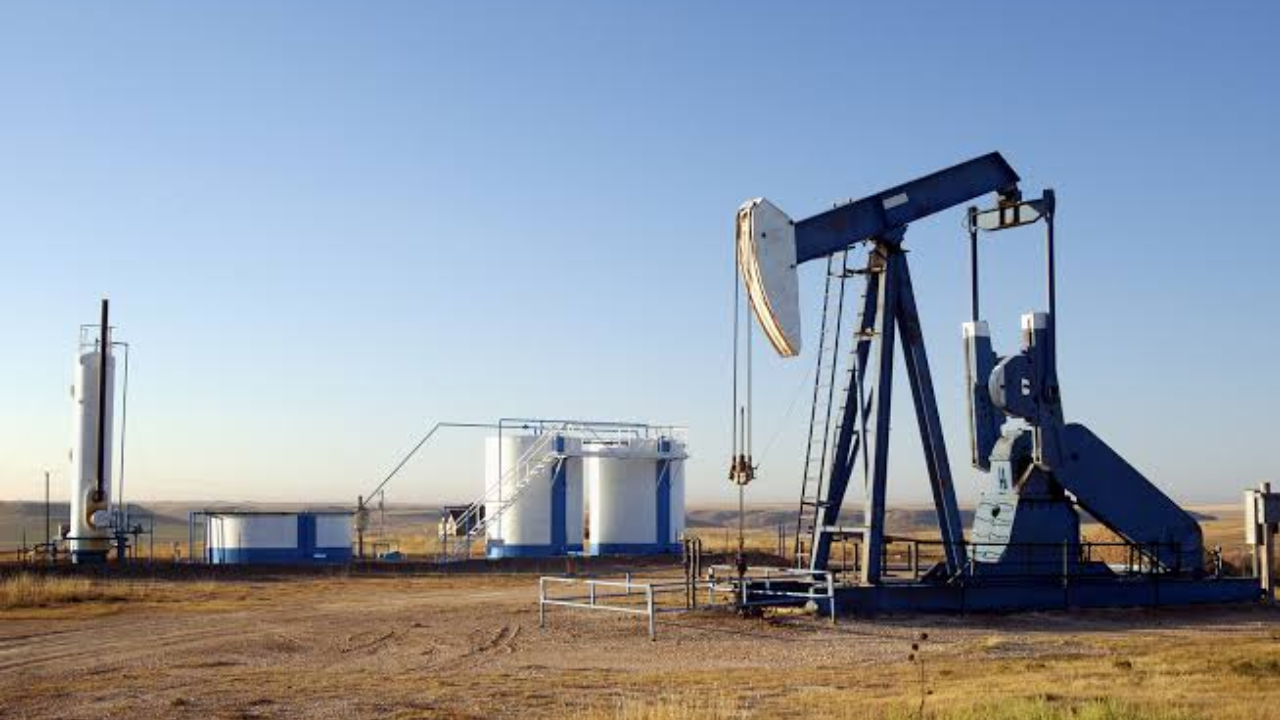
When private property lines collide with state energy mandates, courts usually force a hard choice. A recent Texas appeals court decision just made that reality starker for landowners holding onto historic property.
The Texas Thirteenth Court of Appeals delivered a ruling in Dierlam v. Allegiant Resources that fundamentally impacts how oil and gas operators handle inactive infrastructure. If you own rural property near legacy energy sites, this case changes how you must view surface rights, permanent injunctions, and state plugging obligations.
The 1604 Acre Dispute and the Historic McFaddin Ranch
At the center of this legal battle sits a massive 1604-acre tract in Victoria County, deeply tied to the historic McFaddin Ranch. Ranching families have worked these South Texas lands for generations, establishing boundaries long before modern drilling rigs dotted the landscape.
Back in 1996, operators began working the Remora Oil Unit No. 1, an energy well located on an adjacent property known as the Wright Land. For years, things operated under a functional financial arrangement. Between 1996 and June 2015, oil companies paid well over $120,000 for access rights across the Dierlam property to reach that neighboring site.
Then production stopped. The well went inactive and became shut in. The access payments stopped right along with it.
Frustrated by the breakdown in negotiations, the ranch owners, including Virginia L. Dierlam and McFaddin Ranch LP, took a hard stance. They relied on a permanent injunction they had secured way back in 2004, which strictly barred well operators from using their ranch as a transit route.
When Allegiant Resources took over as the operator in 2021, they wanted nothing to do with restarting production. They wanted to plug the well permanently, remove the aging equipment, and walk away clean. But there was a massive physical hurdle in the way.
Why Environmental Proximity Forced the Issue
Allegiant argued that leaving the Remora well unplugged created severe environmental and regulatory liabilities. The well sits a mere 15 to 20 yards from the banks of the San Antonio River.
That proximity changes the risk profile entirely. An abandoned, rusting well sitting right next to a major waterway is a ticking time bomb for potential saltwater leaks, crude oil seepage, and groundwater contamination. The Texas Railroad Commission maintains strict enforcement standards for unplugged or improperly abandoned infrastructure. Ignoring the issue wasn't a viable option for the operator.
When Allegiant approached the ranch owners for a new access agreement, talks collapsed over financial terms. Refusing to take no for an answer, the company pointed out that every single alternative route to the well site still required crossing the Dierlam property. One proposed path even involved clearing downed trees and low vegetation, which they presented as the least invasive engineering option available.
The ranch owners refused entry, setting the stage for a high-stakes courtroom showdown over property autonomy versus statutory energy duties.
What Section 89044 Actually Means for Landowners
The core legal question came down to whether the ranch owners could maintain a temporary injunction blocking the oil company from entering their land. The trial court said no, and the appeals court agreed.
The appellate judges anchored their decision on Section 89.044 of the Texas Natural Resources Code. This specific statute grants the Railroad Commission, its agents, or any operator the legal authority to enter "the land of another" to plug or replug a well that has not been properly managed.
Landowners frequently argue that such provisions only apply to the immediate surface estate tied directly to the well itself. The court dismantled that narrow interpretation. The judges emphasized that the Texas Legislature deliberately chose the broader phrase "land of another" without restricting access rights to a single category of surface owner.
Crucially, the statute isn't a blank check for operators to trash private property. It includes built-in statutory protections requiring companies to restore the land after plugging work finishes, while limiting actions that might unreasonably block the surface owner from using their own estate.
However, the appeals court made it clear: a decades-old private injunction cannot override an operator's statutory obligation to plug a high-risk environmental hazard under state law.
The Broader Impact on Texas Property Rights
This ruling exposes a raw nerve running across rural Texas. Thousands of legacy wells sit dormant across private ranches, and operators face mounting pressure from state regulators to clear the backlog of unplugged infrastructure.
When an oil company wants to produce oil, property owners understand the traditional mineral estate dominance under Texas law. But when an operator's only goal is remediation and exit, landowners expect their surface rights to reign supreme.
Dierlam v. Allegiant Resources proves that state environmental mandates and plugging statutes carry immense weight, especially when water sources like the San Antonio River face potential contamination risks. If you're a landowner negotiating access terms with operators, you can no longer assume that a historic injunction or a flat refusal will keep crews off your land if a regulatory hazard exists nearby.
Operators still have to navigate the courts and respect statutory restoration duties, but the path to environmental compliance just got a legal green light. Review your existing access agreements, check the proximity of inactive wells to your local waterways, and understand that state plugging laws will almost always punch through private roadblocks when environmental safety hangs in the balance.


