The ocean absorbs over ninety percent of excess heat generated by human activities, yet we still talk about climate change as if it's purely an atmospheric problem. The newly released 10th Copernicus Ocean State Report strips away any remaining comfort, detailing a relentless acceleration in ocean heat, rising sea levels, and aggressive water acidification.
If you live inland, you might think coastal issues don't affect your daily routine. That is a dangerous illusion.
When marine ecosystems collapse, global food security, extreme weather patterns, and coastal economies unravel simultaneously. Let's look at what the latest data actually reveals, why traditional mitigation talks keep missing the mark, and what practical steps coastal and inland communities are taking right now to adapt.
The Reality Behind the 10th Copernicus Ocean State Report
Numbers from international scientific bodies often sound abstract. We hear about fractions of a degree or millimeters of sea level rise and tune out. But the Copernicus report outlines changes happening at a pace that planetary systems struggle to absorb.
Ocean heat content has reached record highs, fueling more intense tropical cyclones and altering fundamental marine currents. At the same time, carbon dioxide absorption continues to lower ocean pH levels. This chemical shift dissolves the calcium carbonate shells of tiny marine organisms, fracturing the base of the entire marine food web.
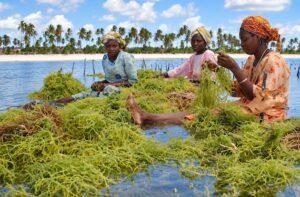
On the ground—or rather, in the shallow waters—real people are facing immediate economic ruin. Take seaweed farmers off the coast of Zanzibar, where warming waters have decimated traditional nearshore crops. Farmers like Fatuma Makame have had to adapt by pooling resources into cooperatives, buying boats, and pushing deeper out to sea just to maintain harvests that used to thrive right near the beach.
When coastal livelihoods vanish, migration pressures increase, local economies shrink, and global supply chains fracture.
Why Traditional Climate Policies Keep Failing the Ocean
For decades, international climate frameworks focused heavily on carbon emissions targets aimed at stopping atmospheric warming by 2050. While reducing carbon emissions remains non-negotiable, policy frameworks consistently underfund marine protection and ocean-based adaptation strategies.
You cannot plant trees to fix a dying sea.
Governments often treat the ocean as an infinite sink—a place to dump waste, run shipping lanes, and extract resources without accounting for ecological thresholds. Here is what policymakers routinely get wrong:
- Treating land and sea as separate units: Watershed management directly impacts coastal zones, yet agricultural runoff and industrial pollution continue unchecked into major river systems that empty into the sea.
- Underfunding small-scale adaptation: Billions go toward massive coastal seawalls while local fishers and seaweed farmers receive little to no financial backing to shift their operations.
- Ignoring acidification in carbon pricing: Current carbon markets rarely account for the hidden economic cost of marine acidification on fisheries and aquaculture.
Practical Steps Forward
We are past the point where awareness campaigns alone make a difference. Whether you live near the coast or thousands of miles inland, individual and community choices directly impact watershed health and carbon footprints.
1. Support Traceable, Sustainable Seafood
Demand transparency from local markets and restaurants. Overfishing combined with warming, acidic waters pushes vulnerable fish stocks past recovery points. Buying sustainably harvested seafood reduces localized pressure on stressed marine ecosystems.
2. Protect Local Watersheds
If you live near a river or stream, remember that your local waterway connects directly to the ocean. Reduce or eliminate chemical fertilizers and pesticides in your yard. Nutrient runoff fuels massive algal blooms that starve coastal waters of oxygen.
3. Invest in Community-Led Adaptation
Philanthropic efforts and local investments should target cooperative models—similar to the seaweed farming cooperatives in East Africa—that provide the equipment and training needed to adapt to changing marine environments.
The oceans are sending an invoice we cannot afford to ignore. Adapt now or face the cost of total marine collapse.