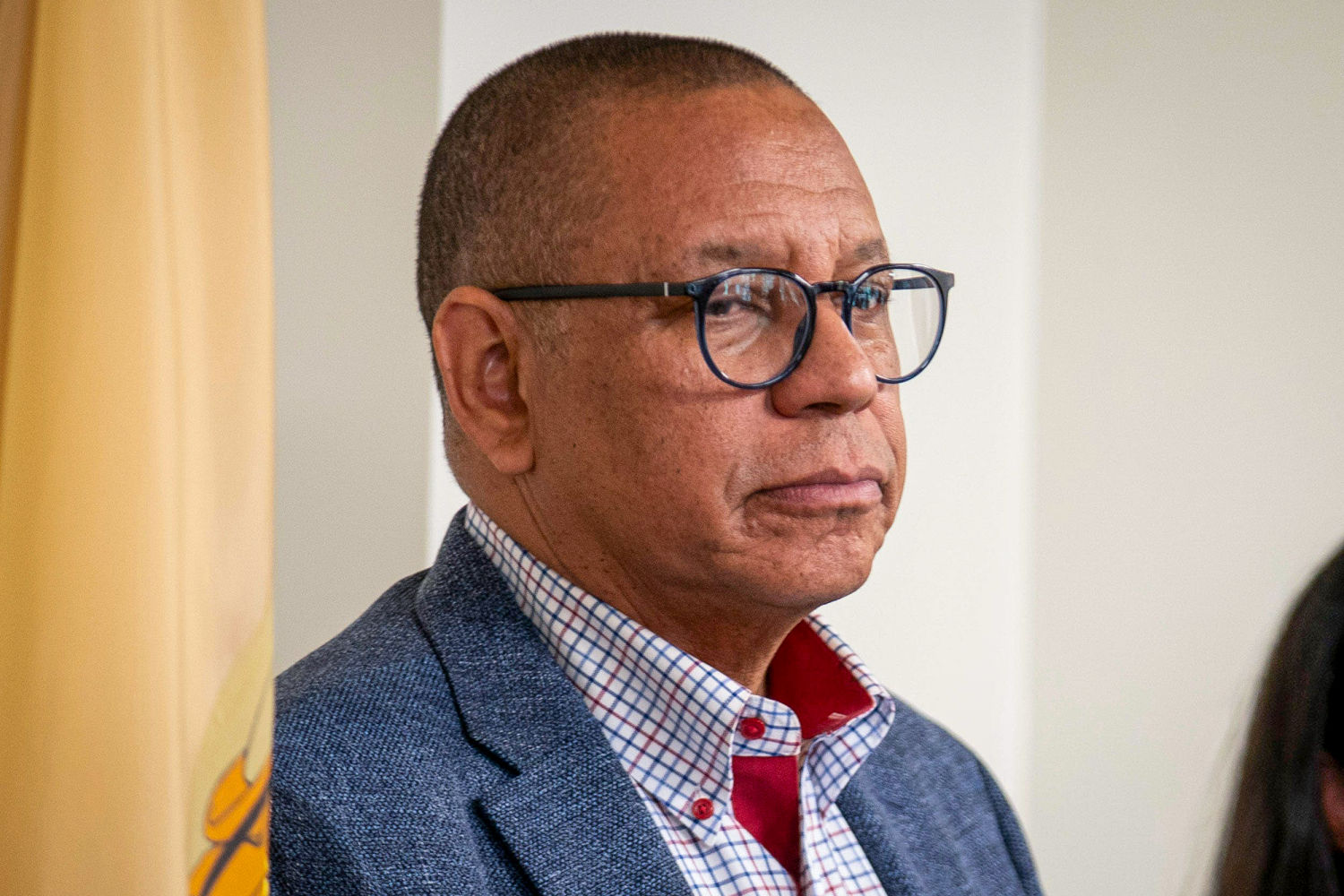
State politics in New Jersey took another sharp, ugly turn when Lieutenant Governor Dale Caldwell stepped down following an internal investigation that substantiated allegations of sexual harassment and multiple ethics violations. If you've watched Trenton politics for more than five minutes, you know scandals rarely surprise anyone. But the speed of this collapse and the immediate pushback from the administration signal a changing approach to misconduct in high office.
The Investigation That Forced an Exit
The trouble didn't brew in secret for years. An independent investigation—led by former Attorney General Chris Porrino and commissioned after serious complaints surfaced—found that Caldwell engaged in repeated, severe violations of state workplace policy. Female staff members brought forward allegations that painted a picture of unchecked authority and poor professional boundaries.
Governor Mikie Sherrill didn't wait for a slow-moving legislative committee to drag things out. Once the report landed on her desk, the administration gave Caldwell a hard deadline to resign or face formal removal proceedings. He chose to step down rather than fight a losing battle in public.
Why This Scandal Hits Differently in Trenton
Most political scandals follow a predictable script. Officials deny wrongdoing, hire expensive defense attorneys, blame political rivals, and try to ride out the news cycle. Caldwell's exit happened at lightning speed because the political cost of defending indefensible behavior has simply become too high for incoming administrations to tolerate.
When you look at the history of New Jersey's relatively young lieutenant governor office—created back in the mid-2000s—it has been plagued by tragedy and turbulence. From Kim Guadagno's political battles to the sudden death of Sheila Oliver, and now Caldwell's abrupt disgrace, the seat seems cursed by instability. But calling it a curse ignores reality. Power unchecked by rigorous internal controls always invites abuse.
What Happens Next for New Jersey Governance
With Caldwell gone, the spotlight immediately turns to the mechanics of state succession and the governor's next moves. Under New Jersey law, the governor holds a tight window to appoint a replacement without requiring a special election immediately.
- Governor Sherrill has a strict constitutional deadline to name a successor.
- The dual role of Lieutenant Governor and Secretary of State, previously held by Caldwell, will likely be split up.
- State legislative leaders are already demanding more transparency regarding how complaints are handled before they reach the public stage.
Voters are tired of finding out about toxic workplace cultures through emergency weekend press releases. If state leaders want to restore any shred of public trust, the appointment of the next second-in-command needs to be handled with absolute openness, prioritizing institutional integrity over political patronage.
Stop accepting that power inherently corrupts without consequences. Hold your elected officials accountable at every single turn.


