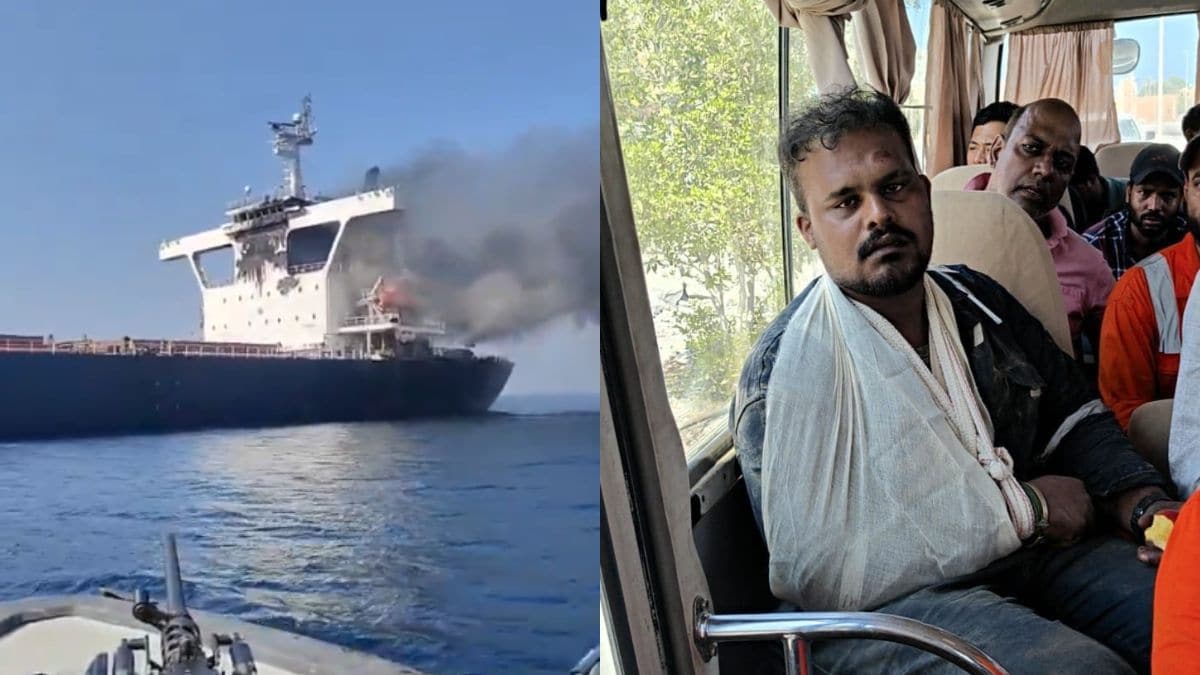
Another civilian crew member is dead because geopolitical flashpoints keep treating commercial shipping lanes as collateral damage. Suraj Yadav, a young wiper from Deoria, Uttar Pradesh, didn't survive the day when the Antigua and Barbuda-flagged bulk carrier MV Cape Dao was struck by torpedoes off the coast of Oman. He was just trying to do his job while the ship sailed toward India. Instead, an explosion ripped through the port side hull near the engine room and the C-deck accommodation area.
If you think maritime security agencies have this under control, look closer. The reality for modern commercial seafarers is stark, dangerous, and increasingly fatal.
The Anatomy of the MV Cape Dao Attack
Details emerging from maritime authorities and labor organizations paint a grim picture of the assault. The MV Cape Dao carried 28 crew members onboard, a substantial portion of them Indian nationals. Two torpedoes targeted the vessel directly on its port side. One hit the accommodation deck, while the other smashed into the engine room space.
Suraj Yadav sustained severe injuries during the strike and succumbed to his wounds, becoming another grim statistic in a climbing death toll. While the Royal Navy of Oman stepped in quickly to rescue the remaining crew and bring them safely ashore, rescue operations don't bring back the dead or fix a broken security architecture.
Labor groups like the Forward Seamen's Union of India (FSUI) didn't mince words after the strike. They pointed out a bitter truth: diplomatic assurances mean nothing when civilian mariners are "slaughtered in silence" near the Strait of Oman and the Strait of Hormuz.
Why the Gulf of Oman Remains a Death Trap for Mariners
The waters connecting the Persian Gulf to the Arabian Sea have transformed into a high-risk zone. Escalating tensions involving regional conflicts, proxy frictions, and unrestricted military posturing mean commercial ships are constantly caught in the crossfire.
International maritime bodies note that dozens of sailors have died or suffered injuries since regional hostilities flared up heavily. Yet, cargo must move. Global supply chains rely heavily on these routes, creating a perverse incentive where shipping companies keep sending vessels through active danger zones because alternate paths cost too much time and fuel.
Seafarers bear the human cost of this economic calculus. Most crew members sign up for the isolation, heavy labor, and long contracts away from home—not to dodge high-grade naval ordnance.
The Failure to Protect Seafarers on the Front Lines
You have to ask a hard question: what are naval patrols actually achieving if commercial ships can still take two direct torpedo hits off the Omani coast?
Critics and labor representatives are demanding active naval escorts rather than empty statements of condolence. When countries rely heavily on Indian manpower to keep global trade moving—Indians make up a massive percentage of the global merchant navy workforce—their home governments carry an obligation to demand absolute accountability.
The Indian Embassy in Muscat moved quickly to coordinate with Omani authorities and local Recruitment and Placement of Seafarers (RPSL) agencies to secure the survivors, including injured crew members like 4th Engineer Devraj. Supportive diplomatic statements and repatriating bodies are essential steps, but they happen after the damage is done.
What Needs to Change Right Now
If the international shipping industry wants to stop repeating these tragedies, a complete overhaul of risk assessment is non-negotiable.
- Mandatory Real-Time Intelligence Sharing: Crews need immediate, unencrypted updates regarding hostile naval movements before they cross into choke points like the Strait of Hormuz.
- Armed Naval Convoys: Passive monitoring clearly fails. High-risk corridors require active protection formations for non-military merchant vessels.
- Stiff Legal Penalties for Reckless Endangerment: Global bodies must treat attacks on civilian non-combatant ships as severe war crimes with actual international enforcement teeth.
Suraj Yadav’s family in Uttar Pradesh is mourning a devastating loss while bureaucrats draft standard diplomatic notes. Until maritime security matches the real-world danger on the water, every ship heading toward the Gulf remains a floating target.


