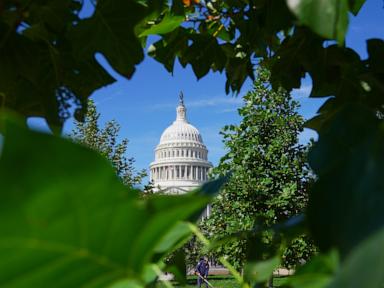
Voters are furious about skyrocketing power bills, and lawmakers know it. Across the country, massive server hubs built for artificial intelligence and cloud computing are guzzling electricity at unprecedented rates. Ordinary citizens are left footing the hidden grid upgrade costs through higher monthly utility bills. Now, Capitol Hill is scrambling to respond before voters head to the polls.
Senate Republicans have teed up a high-stakes legislative vote focused directly on data centers and ratepayer protection. Led by figures like Sen. Jon Husted of Ohio, the push aims to put lawmakers on the record. It forces a choice on whether to address consumer anxieties or stall on energy grid reforms. But the debate has quickly turned into a partisan brawl over how aggressive federal rules actually need to be.
The Politics Behind the Power Grid
Data centers used to be a quiet backroom issue discussed only by utility regulators and local zoning boards. Today, they are front-page news. Thousands of facilities operate across the United States, with hundreds more under construction or planned near residential communities.
The explosive growth of artificial intelligence has supercharged energy demand. When a new tech warehouse hooks into local electricity lines, it requires massive grid upgrades. Historically, those infrastructure costs have often bled over into everyday utility bills, quietly raising power prices for families living nearby.
Politicians are feeling the heat. In swing states and tough reelection battles, candidates are suddenly finding themselves defined by their stance on local tech infrastructure. In Ohio, for instance, challengers have labeled incumbents as the face of unbridled tech expansion. Voters are watching closely, and political survival depends on reading the room correctly.
What the Proposed Legislation Actually Does
The bill taking center stage in the Senate is relatively modest. It directs utility regulators to consider adopting a federal standard that requires large power customers, such as major data hubs, to cover the full cost of the system upgrades required to serve them.
Proponents argue that passing the measure sends an urgent signal to regulators and proves to voters whose side lawmakers are on. Supporters claim it represents a vital first step toward stopping everyday citizens from subsidizing heavy industrial power consumption.
Critics, however, call the proposal weak tea. Senate Democratic Leader Chuck Schumer and other opponents argue that making the standard optional means it has zero real teeth. Democrats have countered with alternative legislation, backed by lawmakers like Sen. Martin Heinrich of New Mexico, which would mandate that the Federal Energy Regulatory Commission enforce strict rules making tech companies pay for necessary grid upgrades.
The legislative standoff has turned into a classic Washington chess match. Republicans want to paint Democrats as obstructionists who block popular consumer protections. Democrats argue the Republican bill is a hollow gesture designed to cover for an industry that developers and tech giants have pushed aggressively into local neighborhoods without adequate safeguards.
Local Resistance Meets Federal Ambition
The friction in Washington mirrors fierce battles happening at the grassroots level. More than forty states have seen organized local pushback against new tech infrastructure projects. Neighborhood groups worry about noise, water consumption, and strain on local resources, but electricity costs remain the number one flashpoint.
While some national leaders argue that blocking these facilities harms economic growth and local tax revenues, residents living next door see a raw deal. They want moratoriums, strict oversight, and absolute guarantees that their lights will stay on without their utility bills doubling.
As the midterm elections approach, expect both parties to keep hammering this issue. Energy policy rarely drives elections, but when electricity bills spike inside a family's kitchen, it transforms instantly into a top-tier voting issue.
Take a close look at where local and federal candidates stand on utility costs and grid transparency before casting your ballot. Check your regional utility commission updates to see how large industrial power users are currently being billed in your zip code.