Most parents think the biggest threat to their kid online is a cyberbully or a scammer asking for gift cards. They are dangerously wrong. When federal police arrested a 17-year-old in Lethbridge, Alberta, on terrorism and animal cruelty charges linked to the notorious 764 network, it exposed a dark underworld that operates right under our noses in everyday chat rooms and video games.
This isn't typical teen rebellion or run-of-the-mill delinquency. We are looking at a decentralized ecosystem of nihilistic extremists who groom children into committing unspeakable acts, recording them, and weaponizing that footage for blackmail. If you have kids spending hours on Discord, Roblox, or Telegram with zero supervision, you're playing digital roulette.
What is the 764 Network Actually Doing
Forget traditional organized crime with a boss sitting at the top of a pyramid. The 764 network works more like a contagion. It's a transnational collective united by a shared, pathological hatred of humanity. Their explicit goal isn't money or political power. It's violence for the sake of violence.
They trawl through public chat spaces on mainstream platforms looking for vulnerable kids. They target teenagers dealing with neurodivergence, depression, social isolation, or family strife. Predators use a tactic called love bombing, wrapping the victim in a tight cocoon of fake acceptance and belonging.
Once they isolate the kid in private direct messages, the trap snaps shut. The grooming escalates quickly from casual chats to severe demands. Victims are coerced into sexual extortion, self-harm, carving names into their own skin, and torturing family pets on camera.
The most disturbing part? The recruiters are often teenagers themselves. Kids trust other kids. When a peer tells them to hurt an animal or themselves to prove their loyalty, the psychological barrier drops. Then, those same victims are blackmailed into finding someone else to abuse to keep the cycle spinning.
Why Traditional Parenting Guardrails Are Failing
You can't protect your kids online if you don't even know what apps they're using. Many parents hand over a smartphone, install a basic filter, and assume the job is done. That approach is completely outdated.
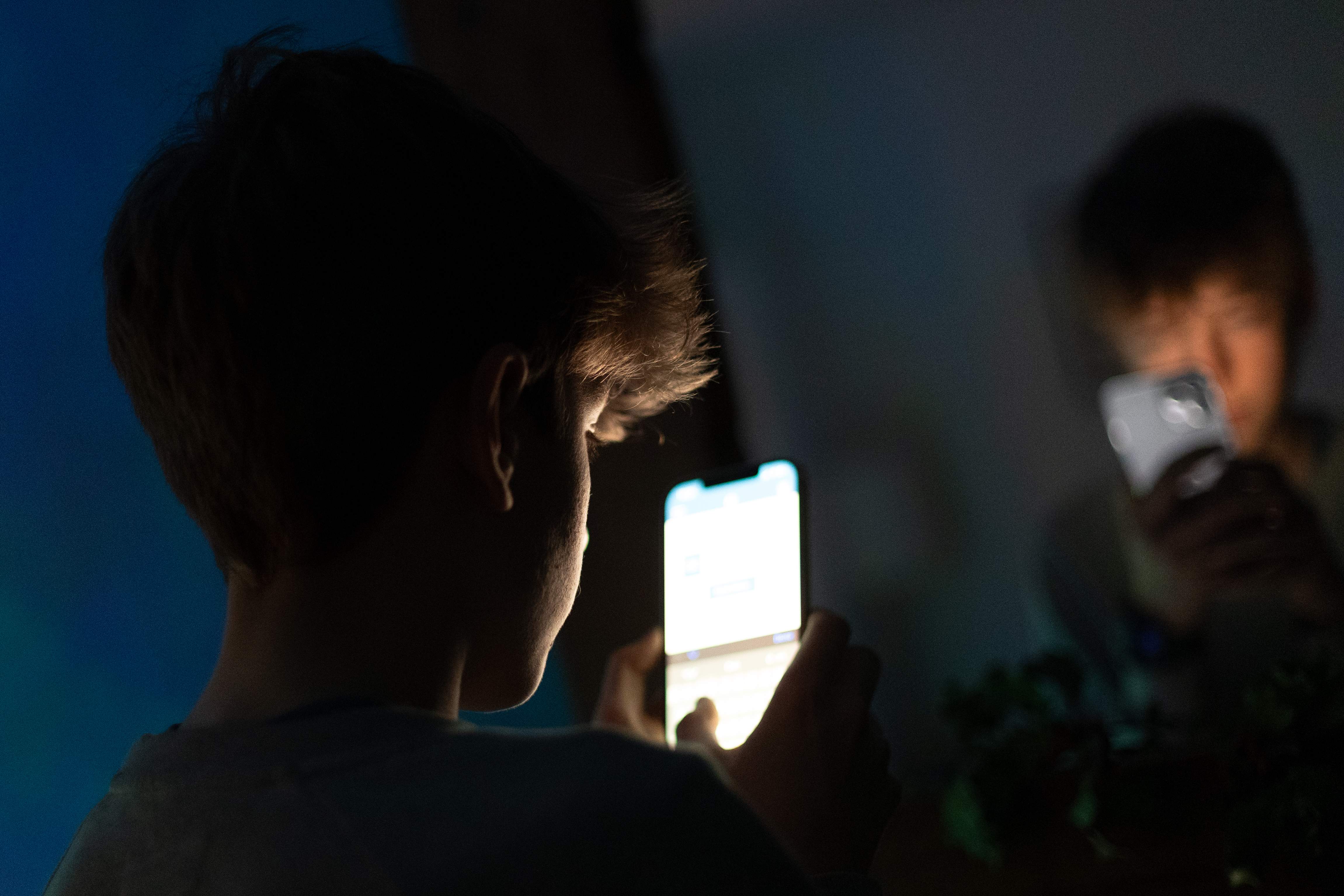
Extremist groups specifically target platforms that bypass parental controls. They use encrypted messaging apps, hidden Discord channels, and gaming chat functions where kids spend hours away from adult eyes. If your teenager's bedroom door is closed and their screen is glowing at 2:00 AM, you have no idea who is whispering in their ear.
Look for the actual warning signs. A sudden drop in grades isn't always teenage angst. Pay attention if your kid becomes hyper-withdrawn, starts wearing long sleeves in hot weather to hide cuts or scars, or if family pets start acting terrified or mysteriously disappear. Watch out for a sudden obsession with gore, occult imagery, or violent propaganda online.
How to Protect Your Kids Right Now
You can't just ban the internet. That ship sailed years ago. Instead, you need an active strategy based on real digital literacy and unfiltered communication.
- Know the platforms. Stop pretending you understand your kid's digital life if you've never opened Discord, Telegram, or Twitch yourself. Learn how these apps work and where the private chat rooms hide.
- Infiltrate the offline gap. Talk to your kids about online manipulation before predators find them. Explain how love bombing works. Make sure they know they can come to you if someone blackmails them, even if they've made a terrible mistake.
- Monitor screen time aggressively. Keep devices out of bedrooms at night. Digital isolation is the primary hunting ground for violent extremists.
- Build a judgment-free zone. If a child thinks you'll scream at them or take away their phone for talking to a stranger online, they will hide the abuse until it's too late.
The arrest in Lethbridge and previous cases in Edmonton and Halifax prove that Canada is not immune to violent online extremism. Pretending it only happens to other families is a luxury we don't have anymore. Take the screens out of the dark, pay attention to the behavioral shifts, and start asking hard questions today.