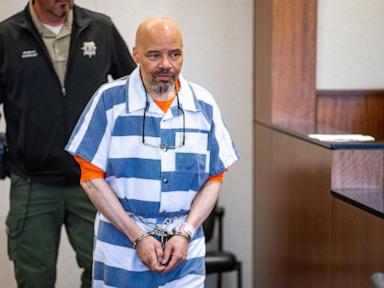
Forty-one years. That is how long Doug Carter sat under the shadow of execution in Utah for a 1985 killing that modern science now shows he likely had nothing to do with. A judge recently ordered the 71-year-old released on bail after prosecutors admitted that newly analyzed DNA evidence has zero match to him. No physical evidence ever linked him to the scene. Yet, he lost four decades of his life behind bars.
Cases like Carter's expose the terrifying fragility of capital punishment. When a conviction relies heavily on questionable confessions and pressured testimony rather than hard science, justice becomes a roll of the dice. If you've ever wondered how someone ends up rotting on death row for half a lifetime based on thin evidence, you have to look closely at the systemic failures that keep them there.
The Anatomy of a Wrongful Conviction
Carter's nightmare started back in 1985. Apprehended in Nashville, Tennessee, he signed a confession under intense police interrogation. He later maintained that officers threatened him into giving a false statement. At his trial, his defense team called zero witnesses. He received a death sentence, followed by a retrial in 1992 that resulted in another death sentence.
Courts routinely rejected his appeals for years. It is easy to assume that once someone is locked away, the legal system automatically corrects its mistakes. It doesn't. Appeals are an uphill battle against rigid procedural rules and courts that are deeply reluctant to admit past errors.
When Key Witnesses Recant
The turning point didn't come from a proactive review by the state. It happened because investigators tracked down two key witnesses in Mexico in 2011. These witnesses came forward with a shocking admission: police and prosecutors had forced them to lie at the original trial. They received cash, gifts, and explicit threats of deportation if they didn't point the finger at Carter.
Even with that massive revelation, it took more than a decade of grueling legal fights before the Utah Supreme Court finally ordered a new trial last year. The court cited "multiple instances of intentional misconduct" by both police and a prosecutor.
Think about that timeline. Over ten years passed between the witnesses admitting police coercion and the state granting a new trial.
Why DNA Changes Everything Too Late
Last week, the long-awaited DNA analysis results finally arrived. They didn't match Carter at all. Prosecutors acknowledged the lack of a match while declining to state whether they are actively using the profile to hunt for other suspects.
For the victim's family, the new results bring a painful mix of frustration and unresolved grief. They wanted a concrete answer, and instead, they are left watching a decades-old case unravel. For Carter, freedom comes with a staggering toll. As his legal team points out, walking out of jail doesn't erase forty-one years of state-induced trauma. Healing from that kind of prolonged wrongful imprisonment takes specialized therapy and immense time, if it happens at all.
What This Means for the Death Penalty Debate
This case puts a glaring spotlight on why many legal experts oppose capital punishment. Death is permanent. The legal system, however, is deeply flawed and prone to human error, coercion, and misconduct. When states rush to secure a conviction and then spend decades defending it against mounting evidence of innocence, justice fails everyone involved—including the families of victims who deserve the actual truth, not just a convenient conviction.
If you want to understand how to prevent these miscarriages of justice, pay attention to the rising push for mandatory post-conviction DNA testing, stricter accountability for prosecutorial misconduct, and independent review boards that can bypass the institutional bias of local jurisdictions. Transparency and relentless scrutiny are the only real defenses against wrongful imprisonment.