Millions of pounds in penalties sound impressive on paper. They rarely fix the rot underneath.
South West Water just copped a staggering £7.87 million fine for hundreds of illegal sewage spills across Devon and Cornwall. We are talking about raw, untreated human waste pumped directly into pristine nature reserves, popular bathing beaches, and fragile river systems over a multi-year stretch. The numbers are staggering. But if you think corporate fines are stopping utility companies from treating our waterways like open sewers, you haven't been paying attention.
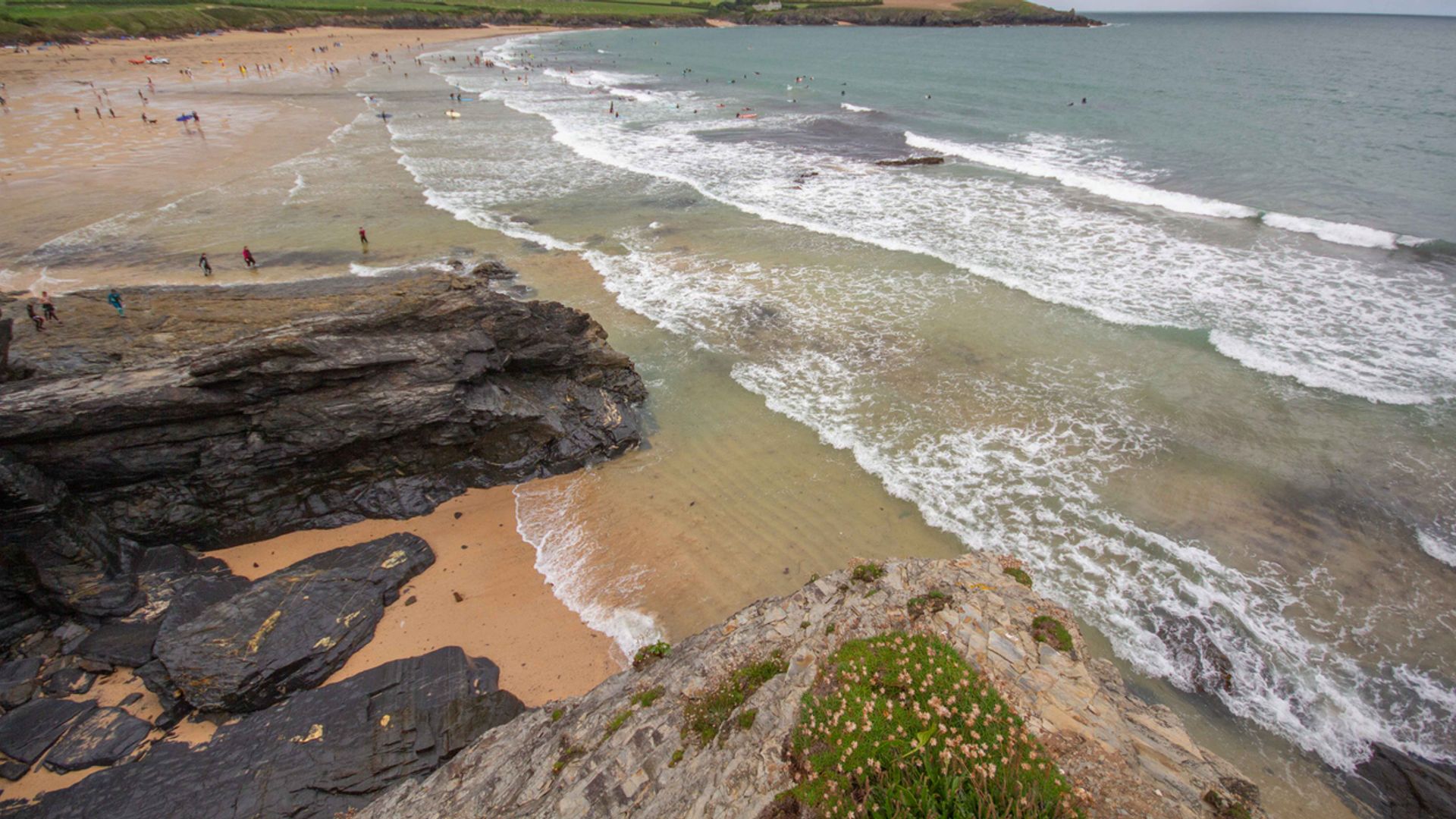
Let's look at what actually happened. The charges spanned illegal discharges at multiple locations, including notorious trouble spots like Harlyn beach and Bodmin's sewage works near the River Camel. At Harlyn, untreated sewage leaked on 231 separate occasions between January 2016 and July 2021. Near Bodmin, over 300 illegal spills poisoned a special area of conservation relied upon by Atlantic salmon, bullhead, and otters. In Plymouth, at the Hooe Lake pumping station, waste gushed through harbour walls for a relentless 88 hours straight over a bank holiday weekend while alarms blared ignored.
Courtrooms handed down hefty penalties. Harlyn drew a £2.96 million hit, while Nanstallon copped £2.69 million, alongside other substantial tallies for Polperro, Halvarras, and Bodmin. For a company that also faced a £1.85 million penalty for drinking water contamination issues in Brixham earlier this year, the financial ledger is taking a beating.
Yet, treating these penalties as a silver bullet misses the core economic reality.
The Cost of Doing Business
When a utility provider faces multi-million-pound penalties, public outrage spikes. Regulators pat themselves on the back. Campaigners celebrate a win. But step back and look at the corporate balance sheets. For massive utility conglomerates, these legal penalties often function as a predictable operational expense rather than a deterrent.
If it costs more to overhaul ancient, crumbling Victorian infrastructure than it does to pay occasional court fines and clean up subsequent public relations storms, corporate incentives point in one direction. Dividends and infrastructure upgrades compete for capital. Too often, infrastructure loses.
You cannot fine your way out of systemic failure. When monitoring equipment sounds alarms and technicians take ten hours just to show up during a peak bank holiday weekend, the breakdown isn't just mechanical. It is cultural and structural.
Where Do We Go From Here?
Angry headlines fade. The tide comes in and washes the beaches clean, hiding what lingers beneath the surface until the next heavy rainfall or system overload forces more raw waste into the open.
Real accountability requires more than a judge reading out a heavy penalty years after the environmental damage has already been done. It demands personal accountability for executives, automated shut-offs, real-time public transparency on every single drop of discharge, and immediate capital reinvestment backed by binding legal targets.
Until the financial penalty for polluting exceeds the cost of fixing the pipes, these corporate apologies will remain empty words on a court transcript.