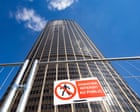
You can see the Tour Montparnasse from almost anywhere in Paris. That is precisely the problem. Standing 210 meters tall as a stark, dark monolith, it has dominated the city's southern skyline since 1973. Locals routinely joke that the view of Paris is fantastic from the top because it's the only place you can't see the building itself.
Now, plans to modernize the tower are officially dead in the water. Don't forget to check out our recent post on this related article.
Private co-owners just rejected a massive overhaul, tanking a project that took a decade to put together. With a looming building permit expiration at the end of November 2026, the empty skyscraper sits in limbo. Falling glass shards prompted fire crews to intervene this past summer, highlighting the physical decay of a structure everyone loves to hate.
The Math Behind the Collapse
How did a multi-million euro rescue mission fall apart at the very last second? Money. To read more about the context here, Wikipedia provides an excellent breakdown.
The original modernization strategy aimed to strip away the gloomy tinted windows, wrap the 59-storey tower in a gleaming new glass facade, install vertical gardens, and build an agricultural greenhouse at the peak. Architects wanted to turn an architectural dinosaur into a green beacon.
Then reality hit the budget sheets.
Asbestos removal costs skyrocketed, pushing the overall price tag to a staggering €800 million. When the private investment funds, insurers, and co-owners gathered for a final vote on phase one, over three-quarters voted against it. They looked at the numbers and blinked. Tycoon Xavier Niel and a handful of other co-owners are still scrambling to find a compromise, but the initial momentum is gone.
Why Inner-City Paris Hates Skyscrapers
Paris is a low-rise city built on human scale. Haussmannian apartment blocks create a uniform, creamy limestone horizon punctuated only by monuments like the Eiffel Tower and the Sacré-Cœur. Dropping a brutalist dark monolith right in the middle of Montparnasse was controversial from day one. In fact, authorities banned skyscrapers over seven stories in central Paris shortly after construction finished.
Tour Montparnasse became an architectural orphan. It was built during an era when municipal leaders thought American-style commercial towers were the future. They quickly realized their mistake, leaving the tower as a lonely monument to bad urban planning.
Renovating it isn't just about changing exterior glass panels. It is about correcting a historical grievance.
What Happens Next
Local politicians are panicking. Philippe Goujon, mayor of the 15th district, insists that stakeholders need to come to their senses before a world-class landmark turns into an abandoned eyesore. Meanwhile, opposition politicians on the left have floated a radical alternative: tear the obsolete tower down completely and replace it with a massive public park that could help combat extreme summer heatwaves.
While the fate of the tower hangs in the balance, star architect Renzo Piano is still tasked with redesigning the shopping center and concrete public spaces beneath it. Officials want to salvage the surrounding pedestrian zones even if the main tower stays shuttered and dark.
If you are following urban development trends in Europe, keep an eye on how private ownership syndicates handle aging corporate assets. When private financial interests clash with public aesthetics on multi-hundred-million-euro projects, nobody wins.
Stop waiting for a miraculous rescue of the tower. The most likely outcome now is a scaled-down, bare-minimum structural fix or a protracted legal war between frustrated co-owners while Paris watches its ugliest landmark slowly crumble.