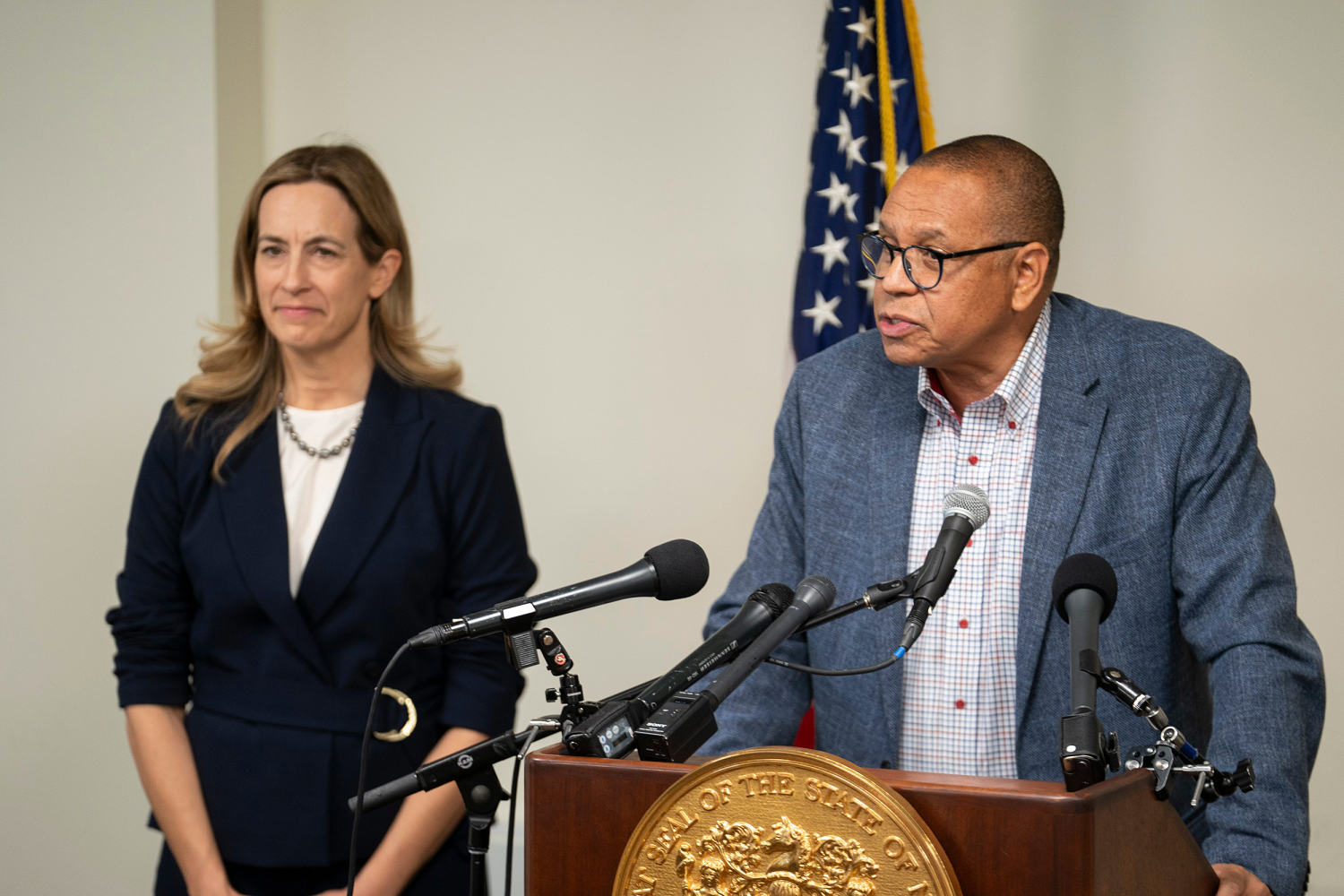
Politics in New Jersey rarely stays quiet for long, but the sudden collapse of Lieutenant Governor Dale Caldwell’s office hits differently. Governor Mikie Sherrill didn't just ask her second-in-command to step down; she gave him a hard Friday deadline after an independent investigation laid bare a series of toxic ethics violations and substantiated sexual harassment claims.
If you've been watching Trenton shakeups over the years, you know scandals usually get buried under months of committee hearings and legal stalling. Sherrill chose a different route. She dropped the hammer immediately.
What the Investigation Actually Found
Led by former New Jersey Attorney General Christopher Porrino, the independent review didn't pull any punches. The 61-page report cataloged repeated, serious breaches of state workplace rules.
The findings went far beyond minor administrative missteps. Investigators substantiated claims that Caldwell engaged in sexual harassment, including a disturbing incident where he made an unwanted advance toward a staffer's friend and made crude remarks when he was rebuffed.
Worse yet, the probe exposed clear conflicts of interest. Caldwell tried to push through a promotion for a state employee he was personally dating, using his official state email address even after he was formally notified that an ethics investigation was underway. He also routinely brought personal guests to ticketed events without paying for their admission, violating rules against accepting impermissible gifts from sponsors.
The Speed of the Fallout
Sherrill’s public statement left zero room for negotiation. She made it clear that Caldwell's behavior failed to meet basic administrative standards and that his ethical lapses persisted despite mandatory training and multiple direct warnings.
The timeline moved at lightning speed. An anonymous letter arrived back in May, triggering the chief ethics officer to escalate the matter. Porrino's law firm dug into the claims, and the moment the findings crossed the governor's desk, the administration chose damage control through immediate accountability rather than corporate shielding.
The Defense Strikes Back
Caldwell’s defense team immediately pushed back against the narrative. His attorney, Thomas Calcagni, slammed the inquiry as a one-sided operation that lacked basic due process.
According to Caldwell's camp, the lieutenant governor was never given a meaningful chance to face and address each anonymous accusation head-on. They argue that the conclusions drawn in the report are misleading and fail to reflect the reality of what happened.
Yet, in modern political crises, legal pushback rarely halts public pressure. When a governor demands a resignation letter within 24 hours, the battle shifts from a courtroom argument to an exercise in political survival. Caldwell faces a stark reality: fighting the report means spending every remaining day in office answering questions about workplace misconduct instead of governing.
This crisis exposes the fragile nature of high-profile political appointments. When executives handpick their deputies, a severe ethical failure at the top casts a harsh light right back onto the administration that put them there. Sherrill's rapid response aims to cut the infection loose before it spreads any further, but the political fallout across Trenton has only just begun.


