Traditional agriculture is broken, and nobody wants to admit it. For decades, farmers were told to squeeze every ounce of productivity out of the earth using heavy machinery, synthetic fertilizers, and relentless chemical treatments. Yet many found themselves trapped in a cycle of debt, soil degradation, and dwindling yields.
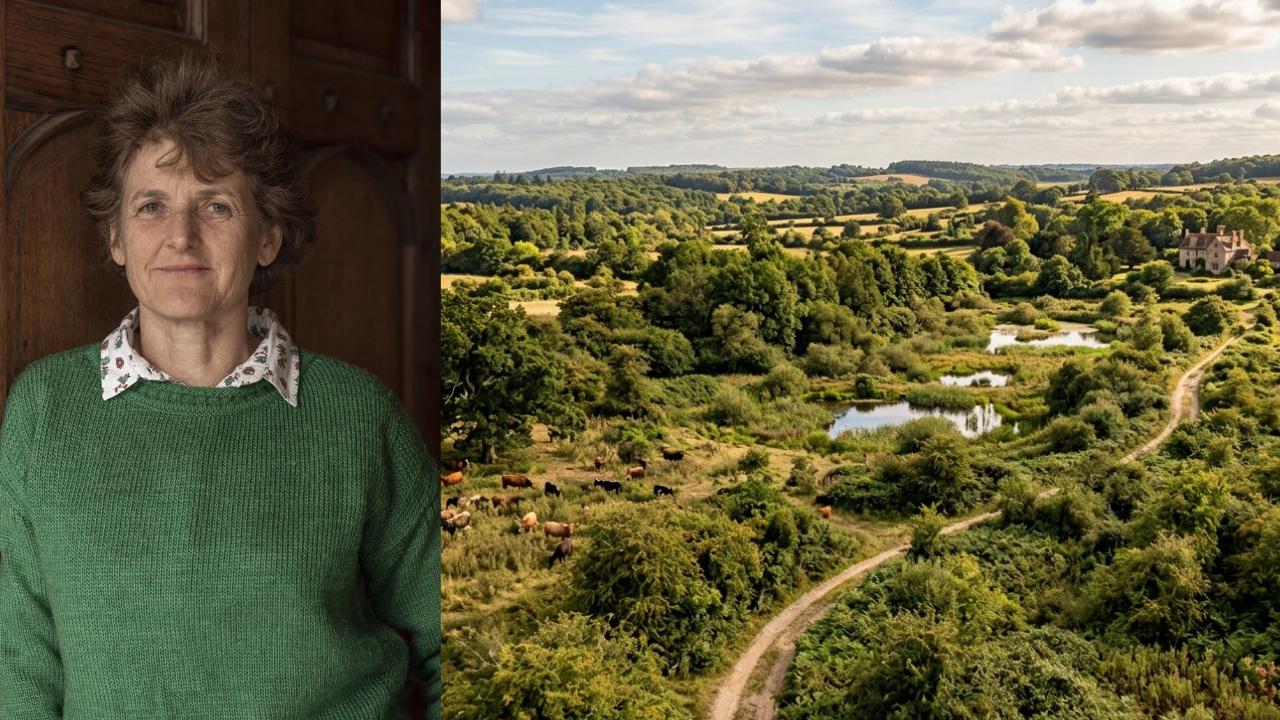
When Isabella Tree and her husband, Charlie Burrell, looked out across their 3500 acres of Sussex farmland in the late 1990s, they saw a failing business. Instead of doubling down on intensive methods, they made a radical choice. They stopped farming entirely and let nature take the wheel.
The Reality of a Failing Estate
The Knepp Estate had been in the Burrell family since the 18th century, with roots stretching back to the 12th century. By the end of the 20th century, keeping a traditional farm afloat on this scale was financially unsustainable. Artificial inputs were masking the deadened state of the soil, and profit margins were razor-thin.
Selling off the land to massive agricultural operations was one option. Tree and Burrell chose a different path. They decided to gamble everything on an untried wilding experiment. It wasn't about recreating a pristine, postcard-perfect English countryside. It was an admission that human management had squeezed the life out of the landscape.
Bringing Back the Megaherbivores
You can't just walk away from 3,500 acres and expect a vibrant ecosystem to magically appear. Tree and Burrell knew they needed ecological drivers to jump-start the system. They introduced free-roaming grazing animals like Old English Longhorn cattle, Exmoor ponies, Tamworth pigs, and fallow deer.
These weren't cute farm animals kept for petting. They acted as proxies for the wild herbivores that once roamed Europe before humans fenced everything off. By rooting, trampling, and grazing, these animals created a dynamic mosaic of habitats. Thickets, thorn bushes, and open pastures began to emerge organically.
When Weeds Become the Solution
Neighbours weren't impressed at first. When you abandon tidy rows for wild chaos, people notice. A massive spread of creeping thistle alarmed local farmers who feared the seeds would invade their own commercial fields.
Tree and Burrell held their ground. Rather than breaking out the heavy herbicides, they waited. Nature had its own checks and balances ready. Painted Lady butterfly caterpillars arrived en masse, treating the thistles as an all-you-can-eat buffet. The infestation cleared itself out naturally without a drop of chemical spray.
What’s Happening Underground Matters Most
Above-ground wildlife gets the headlines. Nightingales, turtle doves, and rare purple emperor butterflies returned to Knepp in numbers that stunned local ornithologists. But the real victory happened out of sight.
Without synthetic fertilizers constantly burning up organic matter, earthworms returned by the millions. The soil structure rebuilt itself, transforming from lifeless dust into a spongy sponge capable of retaining water during droughts. Soil health isn't a buzzword at Knepp; it's the foundation of the entire recovery.
The Broader Lesson for Modern Land Use
Critics often argue that rewilding takes productive land out of the food system. Tree's experience challenges that binary thinking. Knepp still produces pasture-fed meat through conservation grazing, proving you can produce food while letting natural ecosystems heal.
Intensive farming isn't the only option. Landowners dealing with thin margins and degraded dirt should look closely at what happened in Sussex. Letting go of total control can yield wilder, richer, and ultimately more resilient results. Stop forcing the land to bend to your will and watch what happens when you give it space to breathe.