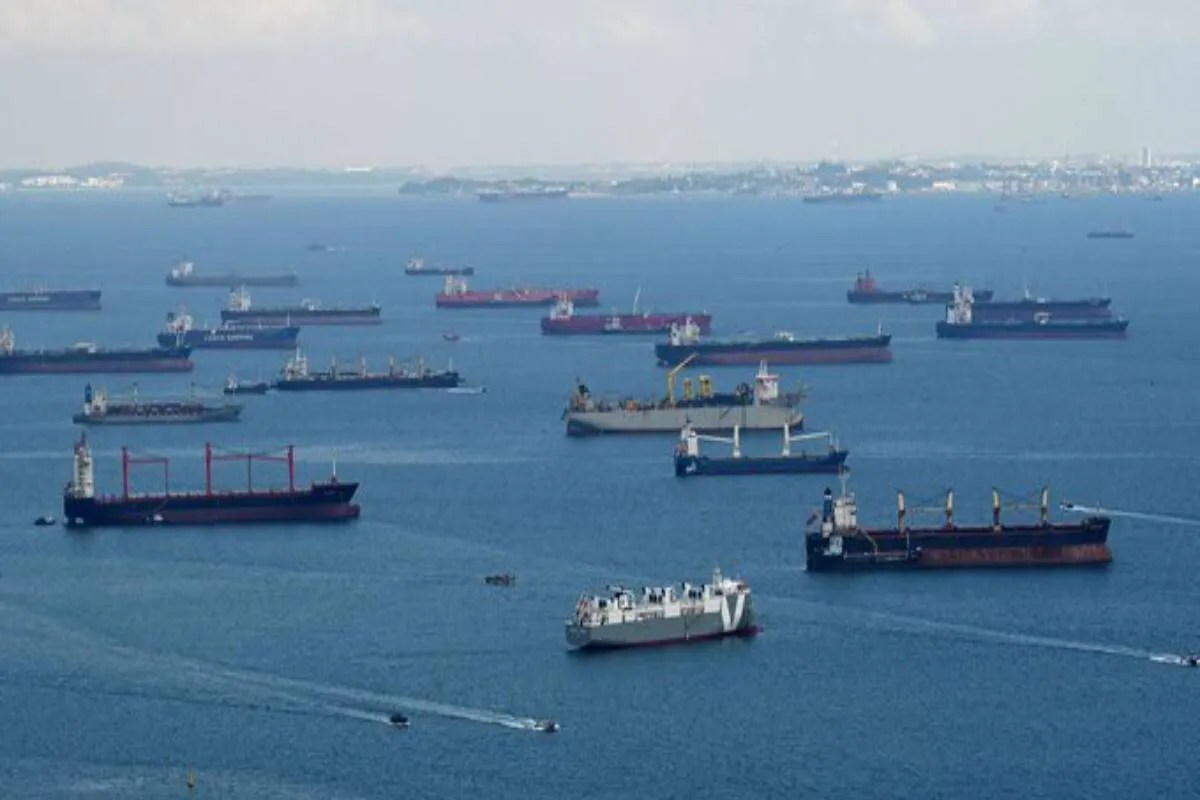
When the Strait of Hormuz becomes a choke point, a nation running on imports has to scramble fast. That is precisely what is happening right now as the ongoing conflict involving the US, Israel, and Iran strangles one of the most critical maritime trade arteries on Earth. With oil and vital food supplies caught in a vice of naval blockades, Tehran is looking north. But shifting national supply lines to the Caspian Sea sounds a lot better on paper than it actually works out in reality.
The Northern Pivot Out of Necessity
For decades, Iran relied heavily on its southern ports to handle the lion's share of its heavy cargo, commercial containers, and energy exports. The Persian Gulf was the undisputed highway of the economy. But with the Strait of Hormuz effectively locked down under mounting military tensions, southern shipping has hit a massive wall.
To keep the shelves stocked and prevent critical shortages of essential commodities like wheat, corn, barley, and oilseeds, Iranian authorities started pushing trade toward the north. According to recent data from Iran's Port Organization, the share of essential goods moving through northern ports has jumped from 18 percent up to 30 percent. Regional officials in provinces like Gilan have reported a striking 50 percent annual spike in container traffic arriving at Caspian ports such as Anzali, Amirabad, and Nowshahr.
Proximity is the obvious perk here. These northern hubs sit much closer to major population and industrial centers like Tehran, Isfahan, and Arak. Shifting routes north theoretically cuts down on inland transportation costs and bypasses the southern military friction zones entirely.
The Shrinking Water Crisis
Geography, however, is refusing to cooperate with Tehran's strategic pivot. The Caspian Sea is drying up at an alarming rate, and it is destroying the math behind this northern trade route.
Environmental assessments from agencies like the United Nations Environment Programme indicate that the Caspian's water level has dropped by roughly two meters since the 1990s. Local officials on the ground point out an even steeper recent decline, noting that the water level has been dropping by more than 20 centimeters every single year.
This dramatic drop in water depth has severely restricted cargo capacity. While northern ports used to handle vessels carrying up to 6,000 tons, low water levels now mean ships are restricted to about 4,000 tons max. Cargo ships coming down via Russia's Volga River route are increasingly getting stuck in shallow waters.
Scale and Structural Shortfalls
You cannot simply replace a global oceanic corridor with an inland sea overnight. The infrastructure simply isn't built for it. A single large cargo vessel docking in the south can haul massive amounts of cargo that would otherwise require a fleet of roughly twenty smaller ships navigating the Caspian.
Furthermore, the northern route does not support Iran's most lucrative exports. High-value shipments like mineral fuels, oil, and iron ore still rely heavily on deep-water access in the south. Add in heavy reliance on Russian transit corridors along with mounting international trade restrictions, and you get a bottleneck that northern ports cannot fix on their own.
Crisis management requires desperate measures, but physics and declining waters don't care about geopolitical urgency. The Caspian Sea offers a vital lifeline, but it will never truly replace what is locked away down south.