Free education sounds great on a campaign poster. Paying for it is an entirely different nightmare.
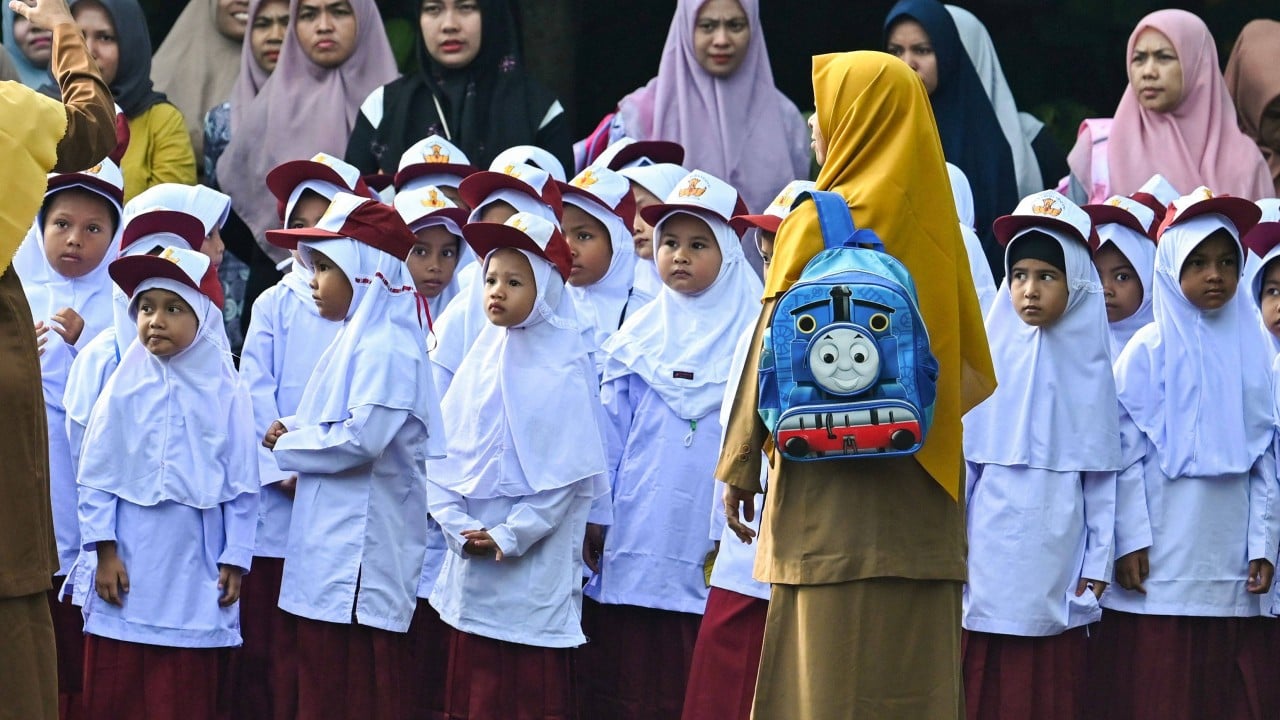
President Prabowo Subianto's administration is accelerating a massive push toward free public schooling across roughly 164,000 public schools, extending the safety net from kindergarten all the way to secondary education, with exploratory plans for state universities. Jakarta has already set aside a Rp 5 trillion pilot program for 2027 to cover elementary through high school levels, prioritizing disadvantaged 3T regions (frontier, outermost, and underdeveloped).
Yet, beneath the ambitious headlines, economists and education analysts are sounding major alarms. Where will the money actually come from? Can a government already juggling massive fiscal commitments—like the costly free school lunch program—afford a sweeping structural overhaul without breaking its own budget guardrails?
The Math Behind Indonesia's Free Education Gamble
The numbers bandied about by the Indonesian government are staggering. Total education spending for 2027 is projected between Rp 820 trillion and Rp 824 trillion. On paper, that is a massive commitment to developing future generations.
The strategy relies on restructuring the existing baseline budget rather than inventing entirely new funding sources from scratch. Officials argue that smarter design and targeted reallocations can cover the gap.
Critics aren't buying it.
House Budget Committee Chairman Said Abdullah and officials like Higher Education, Science, and Technology Minister Brian Yuliarto are currently running complex numbers to figure out how state universities and lower-tier schools can remain financially solvent if student fees vanish completely. Financing a deficit projected at 2.4% of GDP while expanding expensive welfare initiatives requires tight management. If state revenues wobble or tax collection falls short, structural programs like these become immediate targets for painful budget trimming.
Quality Versus Access
Throwing money at school fees doesn't automatically fix a broken classroom.
Education researchers in Jakarta point out a glaring blind spot in the current policy talk. Indonesia has thousands of schools, but many suffer from chronic underfunding, a lack of modern teaching tools, and uneven educator quality. Making public schooling free gets kids through the front door, but it doesn't guarantee they actually learn anything useful once they sit down.
When budgets are stretched thin to cover baseline operational costs for hundreds of thousands of institutions, classroom quality often plummets. Teachers remain underpaid in remote regions, infrastructure crumbles, and foundational literacy rates lag behind regional peers. Educators are urging the government to prioritize quality enhancements alongside cost elimination. Free tuition means little if graduates lack the foundational skills required in a competitive global workforce.
Managing Fiscal Reality
Indonesia's fiscal tightrope walk is getting narrower. The administration wants to keep the deficit capped while running aggressive, expansionary policies that touch everything from energy subsidies to school meals and regional infrastructure.
Debt interest bills are rising, and international observers are watching Jakarta's fiscal discipline closely. If the state leans too heavily on innovative financing or stretches borrowing limits, investor confidence could take a hit, weakening the rupiah and driving up borrowing costs.
The next few months will require brutal honesty from policymakers. If Jakarta wants free public schooling to be a lasting legacy rather than an expensive, short-lived experiment, it needs clear performance metrics, ironclad budget protections, and a realistic timeline that doesn't sacrifice education quality for political talking points.
Assess the true capacity of local districts before rolling out nationwide waivers. Protect teacher training and facility upgrades from being cannibalized by administrative costs. Real reform demands more than a catchy slogan and a pilot budget line.


