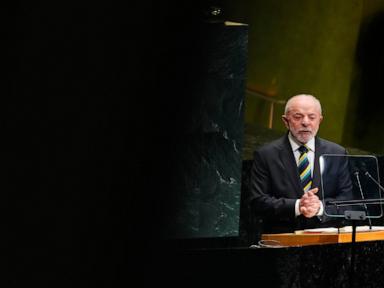
Every year, world leaders pack into the United Nations General Assembly, take to the podium, and deliver sweeping warnings about a warming planet. You've probably heard the speeches. They talk about existential threats, melting glaciers, and rising seas, while urging immediate international cooperation. But rhetoric rarely matches reality. When major carbon emitters step back from global frameworks and diplomatic promises outpace actual domestic policy, you have to ask yourself what these high-profile climate summits are really achieving.
The core tension at the UN isn't a lack of scientific data. Everyone knows temperatures are climbing. The real breakdown happens when global ambition hits national self-interest. While island nations like the Bahamas or Cabo Verde face literal drowning, major economic players often treat climate financing as optional charity rather than a fundamental matter of global justice. Don't forget to check out our earlier article on this related article.
The Disconnect Between Rhetoric and Reality
If you listen closely to the general debate speeches, a sharp geographic divide emerges. Leaders from the Global South—places like Nepal, Ghana, and Pacific island states—describe immediate, devastating crises. They aren't talking about abstract targets for 2050; they are dealing with flash floods, Himalayan slope collapses, and disappearing fisheries right now.
Meanwhile, leaders from industrialized economies frequently balance green promises with domestic economic anxiety. When energy prices spike or inflation bites, climate commitments are often the first things pushed to the back burner. To read more about the background of this, The Washington Post provides an informative breakdown.
- The Vulnerable Frontline: Countries producing a fraction of global emissions bear the heaviest physical and financial toll.
- The Economic Hesitation: Larger economies weigh aggressive decarbonization against short-term industrial competitiveness.
- The Accountability Gap: Voluntary pledges sound impressive on a UN broadcast, but enforcement mechanisms remain toothless.
Shifting From Charity to Accountability
Treating climate action as a favor to developing nations doesn't work anymore. Leaders like Nepal's foreign minister have argued that financial assistance must be structured as justice, not aid. When historic polluters treat climate funds like foreign aid budgets that can be trimmed at whim, vulnerable nations are left holding an impossible bill for a crisis they didn't create.
We're also seeing a strange paradox in diplomatic forums. While the UN General Assembly passes landmark declarations—such as the recent push on sea-level rise—critical economic forums like the G7 and G20 sometimes sideline climate debates entirely when political winds shift. If the world's biggest carbon emitters aren't keeping climate change at the very top of their economic agendas, minor diplomatic declarations won't bend the emissions curve.
What Real Progress Actually Looks Like
If you want to look past the UN soundbites, watch what happens on the ground with renewable infrastructure investment and grid modernization. The transition isn't stalling because leaders lack eloquence; it's moving too slowly because financial frameworks still favor fossil fuels.
Until major institutional investors and sovereign lenders overhaul how capital flows into developing markets, nations trying to build green economies will remain choked by debt. Speeches matter, but money matters more.
Stop waiting for a unanimous global consensus to magically appear. Real progress is being driven by localized economic shifts, regional partnerships, and communities refusing to wait for permission to adapt.