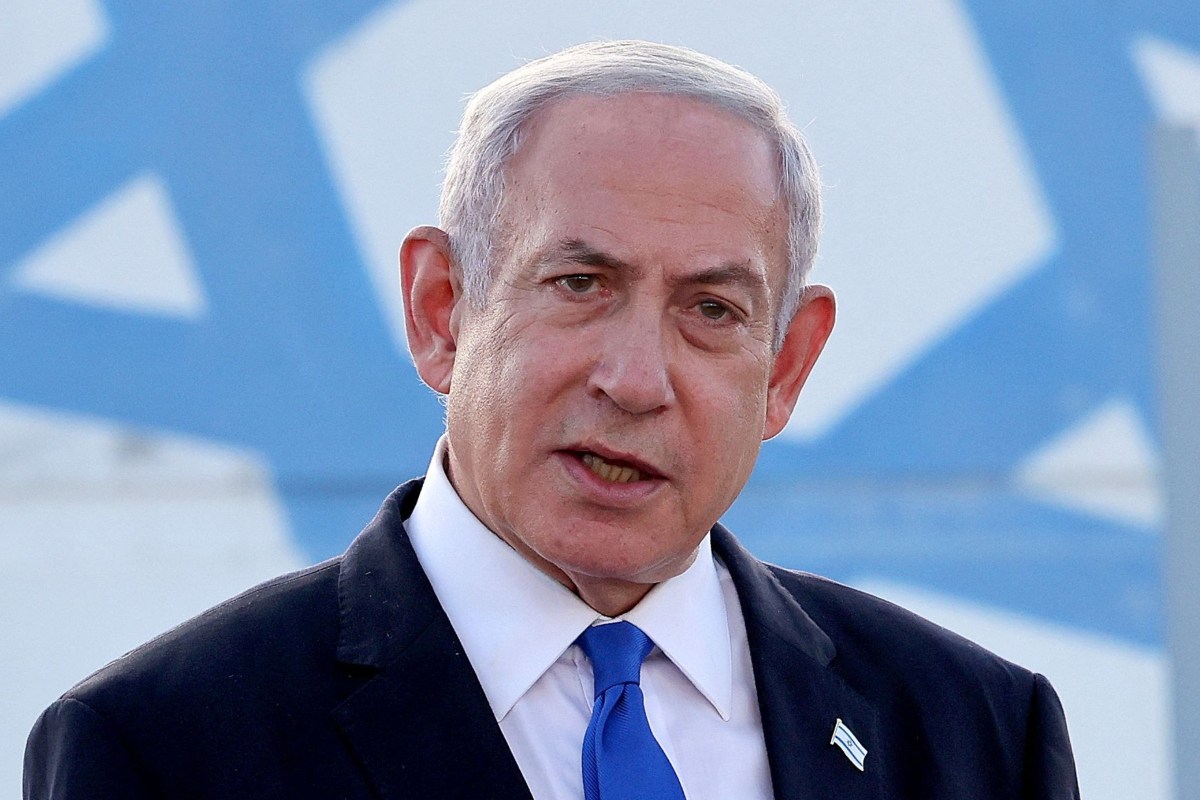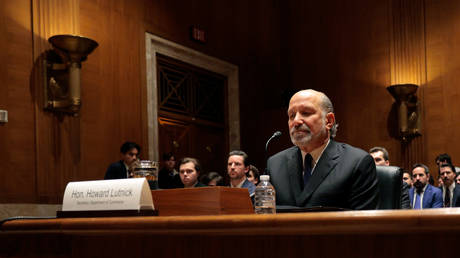
The United Nations Security Council is broken. Five countries hold a monopoly on global crisis management, and everyone else is expected to just deal with it. Ankara wants to change that. Turkish President Recep Tayyip Erdogan has reignited global debate by demanding the complete abolition of the UN veto power and an overhaul of permanent membership.
It sounds bold. It sounds necessary. But can it actually happen?
Let's look at the hard architecture of international law, the entrenched interests of the P5—the United States, Russia, China, France, and the United Kingdom—and what this proposal really means for global geopolitics.
The Architecture of an Outdated World Order
The UN Security Council was built for a world that ceased to exist decades ago. In 1945, the victors of World War II carved up global power to suit their own interests. They gave themselves permanent seats and absolute veto authority.
One single vote from any of these five nations can kill a resolution, no matter how much support it has from the rest of the world. We've watched this play out repeatedly during modern humanitarian catastrophes, from the wars in Ukraine and Gaza to civil conflicts across Africa and the Middle East.
When global health crises, massive supply chain disruptions, and devastating regional wars occur, the current system allows a handful of capitals to hold international peace hostage. Ankara's argument is simple: leaving the fate of humanity to the whims of five specific countries is no longer sustainable.
What the Proposed Overhaul Actually Looks Like
Critics of the current UN framework usually argue for adding new permanent members, like India, Brazil, or nations from the African continent. But Ankara's proposal rejects that approach entirely.
Expanding the P5 club just widens the circle of privilege rather than fixing the core imbalance. Instead, the blueprint calls for a total structural reset. Under this vision, permanent memberships would be scrapped altogether.
Instead of a permanent elite, the Security Council would consist of members elected by the UN General Assembly for fixed terms on a rotating basis. To hold a seat, a state would have to continuously earn the backing of a majority of the international community.
Furthermore, the proposal aims to restore power to the General Assembly. If a crisis arises, the collective voice of nearly 200 nations should carry real weight, rather than being permanently blocked by a single national interest.
The Brutal Reality Check
Will it happen? Honestly, no. Not anytime soon, at least.
The structural hurdles facing any attempt to strip the P5 of their veto power are practically insurmountable. Article 108 of the United Nations Charter states that any amendments require the approval of two-thirds of the General Assembly and ratification by all five permanent members of the Security Council.
Think about that for a second. To end the veto, you need the unanimous consent of the very countries that possess the veto.
Russia or the United States are hardly going to vote to strip themselves of ultimate geopolitical leverage. Asking the P5 to vote away their own superpower status is a structural impossibility under current international law. The status quo defends itself.
Why the Push Still Matters
Even if the veto won't disappear tomorrow, making noise about it changes the conversation. Developing countries are increasingly vocal about economic inequality, technological dependence, and systemic exclusion.
Africa is demanding proper representation that reflects its actual economic weight and population size. Asian economies are driving global trade while old Western-dominated institutions lag behind.
When leaders push for structural reform, they chip away at the moral legitimacy of the Security Council. Every time a veto is used to shield an ally or block essential humanitarian aid, the institution loses credibility.
Reform might not happen via a sudden diplomatic stroke of a pen. It will likely happen through slow erosion, alternative coalitions, and mounting pressure from the Global South until the existing architecture simply can no longer ignore the majority of the planet.
Stop pretending the current system can fix itself from within. Real change requires breaking the rules that protect the powerful.
Why UN Security Council Reform Is So Hard to Achieve
This video provides an expert analysis of the structural hurdles and diplomatic dynamics surrounding attempts to reform the UN Security Council and address the veto power of permanent members.