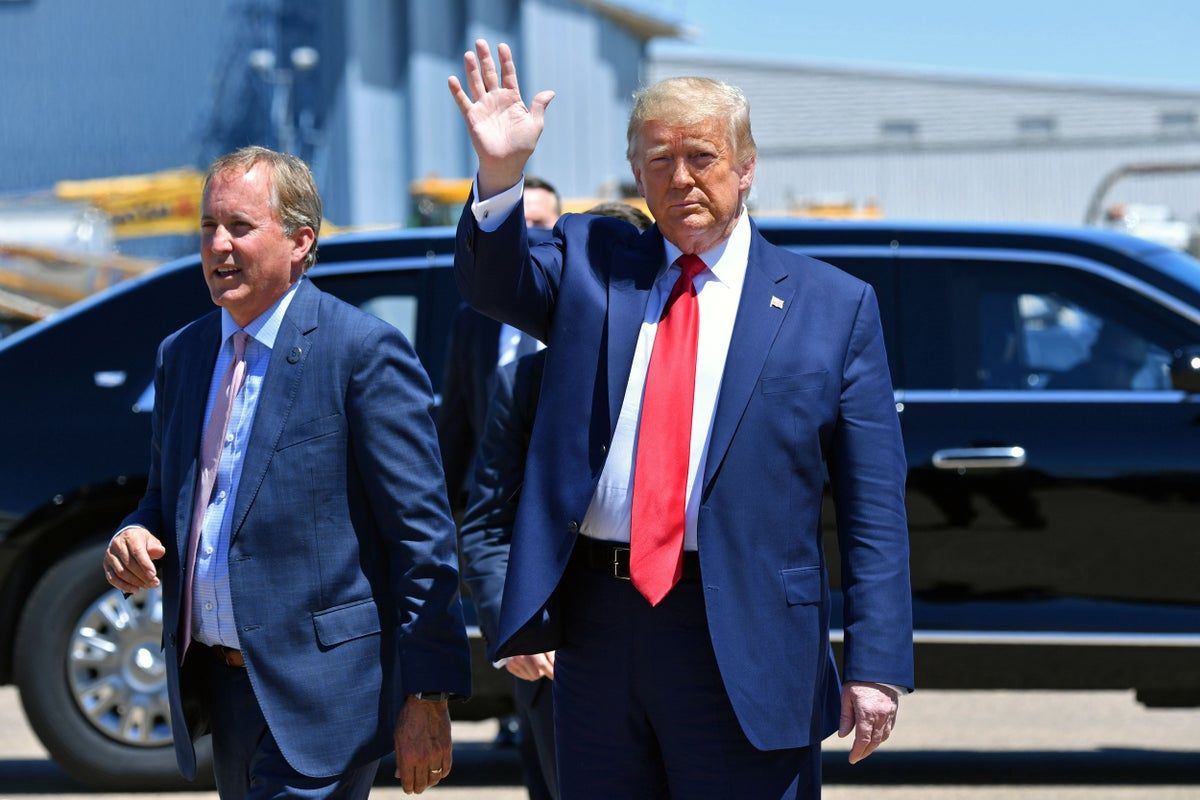
Donald Trump has spent years complaining about the Nobel Committee. He wants the prize, he feels entitled to it, and he figures they'll never give it to him anyway.
It's a familiar routine. Whenever foreign policy achievements or international tensions dominate the news cycle, the talk turns back to Oslo. Trump insists he deserves the prestigious award more than anyone else in modern history. He points to conflicts he claims to have settled, deals he says he brokered, and an informal medal handover from Venezuelan opposition figures to justify his stance.
Yet, looking at how the Norwegian Nobel Committee operates, his chances remain roughly zero.
The Core Argument For and Against
Trump’s pitch rests on his self-proclaimed record as a dealmaker. Since returning to the White House, he's repeatedly claimed credit for halting multiple international disputes. He's pointed to flashpoints involving India and Pakistan, Armenia and Azerbaijan, alongside various other regional skirmishes. According to his logic, stopping conflicts translates directly into peace prize credentials.
Critics and independent observers point out a few flaws with that narrative. For starters, many of the diplomatic interventions Trump claims to have led are heavily disputed by the actual nations involved. Furthermore, long-standing promises, like ending the war in Ukraine on day one, haven't materialized. Simmering conflicts with Iran and shifting borders in other regions complicate the picture further.
When you campaign for an award traditionally handed out for quiet, long-term multilateral diplomacy, shouting about it from the Oval Office rarely wins over the judges.
Why the Nobel Committee Ignores Politicians Like Him
The Norwegian Nobel Committee values institutional norms, quiet diplomatic consensus, and sustained humanitarian impact over loud executive proclamations. Past controversial political winners like Barack Obama raised eyebrows precisely because they received the honor early in their terms, but even those decisions were grounded in aspirations for multilateralism and nuclear reduction.
Trump represents the exact opposite style of foreign policy. His approach relies on unilateral pressure, transactional diplomacy, and public grandstanding. To the committee in Oslo, handing a peace prize to a leader who frequently threatens trade wars, pulls out of international pacts, and attacks institutional norms would look like a rejection of their own foundational criteria.
The Symbolic Medal Handover
Part of Trump's justification includes an unusual piece of political theater. Venezuelan opposition leader María Corina Machado handed her 2025 Nobel Peace Prize medal to Trump at the White House to lock in U.S. backing for her movement.
While Trump treats that gesture as an indirect win, rules governing the Nobel Foundation strictly prohibit transferring medals. It's a symbolic move that plays well at rallies, but it carries zero weight inside the committee rooms in Oslo.
What Actually Happens Next
The annual announcement comes with plenty of fanfare, predictable snubs, and endless media commentary. Trump will keep talking about it because grievances and institutional pushback play directly into his populist brand. He gets to frame himself as the ultimate outsider denied his due by an elite European establishment.
If you're waiting for the day Donald Trump walks onto the stage in Oslo to accept a gold medal, don't hold your breath.
Trump says he deserves Nobel Peace Prize but doubts he will win
This video provides footage and reporting on Donald Trump's statements regarding his belief that he deserves the Nobel Peace Prize.
http://googleusercontent.com/youtube_content/1