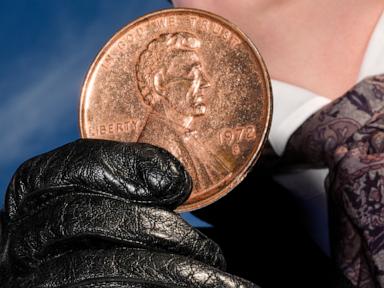
You can't buy anything with a single cent anymore, yet the federal government spent decades manufacturing billions of them at a severe financial loss. That absurd reality is finally over. Congress has officially passed the Common Cents Act, sending legislation to President Donald Trump's desk that puts a permanent, legal end to the production of the United States penny after 234 years.
The U.S. Mint actually suspended production of the one-cent coin back in 2025 after the Treasury Department realized it cost nearly 3.7 cents to manufacture a single coin worth only one. This new congressional vote codifies that administrative pause into law and solves a practical headache that has plagued cash-reliant shoppers and merchants ever since: how to handle cash transactions without exact change.
The Economics of a Coin That Lost Its Value
Let's look at the numbers. Keeping the penny alive wasn't just inefficient; it was a massive drain on federal resources. According to Treasury estimates, ending penny production saves roughly $56 million every single year in material and manufacturing expenses. When it costs more than three times a coin's face value to stamp it out of zinc and copper, keeping the presses running defies basic logic.
Economists and budget watchdogs pointed this out for years. Critics argued that the coin had become an economic ghost town. Most people leave them sitting in jars, toss them into fountain wishing wells, or refuse them entirely when handed back as loose change at grocery store checkouts.
What Happens to Cash Transactions Now
If pennies are gone, how do you pay for a $4.82 coffee with cash?
The Common Cents Act directly addresses this by introducing a clear legal framework for cash rounding. Under the new rules, retailers will round cash totals to the nearest five cents. If your total ends in one or two cents, it rounds down. If it ends in three or four cents, it rounds up.
Electronic transactions—credit cards, debit cards, and digital apps—won't change at all. Your digital receipts will still track exact cent amounts down to the fraction. The rounding rule applies strictly to physical cash.
What This Means for Your Existing Pocket Change
You don't need to panic about the jars of copper currently sitting on your dresser. Existing pennies remain completely legal tender. You can still spend them, deposit them at your bank, or hand them over to cashiers. Retailers are required to accept them as long as they are part of circulation, though merchants will no longer receive new shipments from the Mint.
Numismatic collectors can also breathe easy. The U.S. Mint plans to produce limited-edition, collector-grade versions of the penny for hobbyists, ensuring the coin's historic legacy isn't entirely erased.
Two hundred and thirty-four years after the Mint first opened its doors in 1792, the era of the 1-cent piece has drawn to a close. Stop mourning a coin you haven't willingly spent in a decade. Embrace the change and keep moving forward.