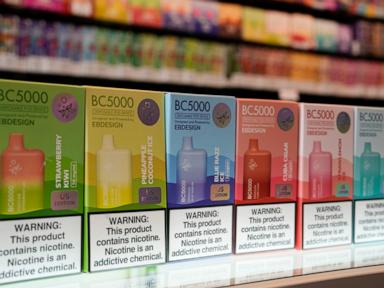
You can walk down almost any street in California and spot a brightly colored plastic wrapper or a discarded electronic cigarette lying on the pavement. State leaders have finally decided they've seen enough. California Governor Gavin Newsom signed legislation that will phase out the sale of single-use, battery-powered vapes entirely.
If you think this is just another standard tobacco regulation, look closer. Authored by Assemblymember Jacqui Irwin, the law zeroes in on an environmental crisis hiding in plain sight. Around 500,000 disposable vapes are thrown away every single day across the United States. That scale of waste creates massive headaches for waste management facilities, municipal trash trucks, and local waterways.
Let's break down what the new legislation actually does. Manufacturing or importing these single-use, battery-embedded devices becomes illegal starting January 1, 2027. Retail shelves must clear out remaining stock by January 1, 2028. Retailers caught violating the rules face fines of up to $2,000.
Critics aren't thrilled. Representatives from trade groups like the Neighborhood Market Association argue that the ban unfairly hits family-owned convenience stores and small neighborhood shops that rely on tobacco product sales to stay afloat. Other industry voices warn that cracking down on legal disposables might just fuel a black market or increase cross-border tobacco smuggling.
You might wonder how this affects cannabis consumers. Cannabis vaping devices are completely excluded from the new ban. The restriction focuses strictly on tobacco-based products containing non-reusable, embedded batteries.
The core driver here isn't just about smoking habits. It's about lithium and lead. Disposable e-cigarettes combine plastic, toxic chemical residue, and lithium-ion batteries into a cheap, convenient package designed to be thrown straight into the trash. When those batteries end up in standard garbage compactors or recycling plants, they regularly puncture and trigger dangerous fires. They also leach heavy metals into the soil and local waterways.
Refillable devices and pods with rechargeable batteries remain legal, provided they comply with existing state tobacco laws. Businesses have a tight window to pivot their inventory. If you run a retail shop or rely on these products, start adjusting your supply chains now before the enforcement dates lock in.


