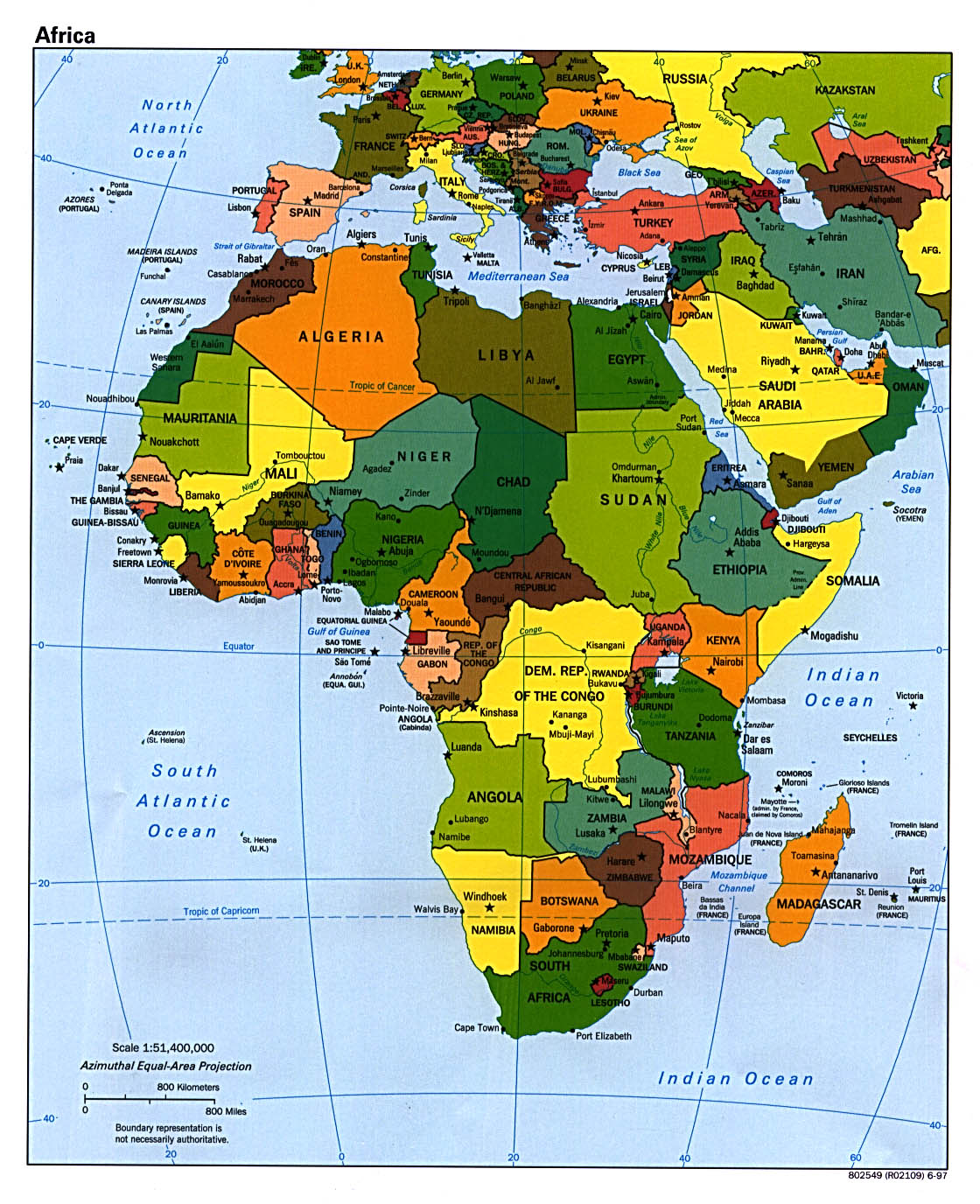
The architecture of global peace was drawn up more than eighty years ago. Back then, most of the African continent was carved up under colonial rule, completely shut out of the rooms where international power was distributed. Today, that relic of a system still stands. Fifty-four sovereign states representing nearly 1.6 billion people hold zero permanent seats on the United Nations Security Council.
It is an absurd imbalance.
UN Secretary-General António Guterres called it straight during the 81st session of the UN General Assembly in New York, labeling the current structure unjust and indefensible. When the people running global governance admit the system is broken, you know the status quo is living on borrowed time. Africa isn't asking for a handout or a symbolic gesture. The continent is demanding a correction to a historic injustice that has gone on for far too long.
What the African Union is Actually Demanding
If you look past the diplomatic pleasantries, the African position is crystal clear and rooted in the Ezulwini Consensus and the Sirte Declaration. The African Union isn't looking for a watered-down observer status or a token seat with strings attached.
The core requirements include:
- At least two permanent seats for African nations on the Security Council.
- Five non-permanent seats allocated to the continent.
- The exact same rights and privileges enjoyed by current permanent members, which includes the veto power for as long as that mechanism exists.
Leaders like Kenyan President William Ruto have made it plain that Africa will no longer accept being subject to major international decisions where its voice is missing. When global security crises unfold across the globe—many of them disproportionately impacting developing regions—the body tasked with maintaining peace operates without permanent input from the largest regional bloc in the developing world.
The Geopolitical Chessboard and Who Backs the Bid
Realpolitik dictates that structural reform of the UN requires more than just moral arguments. It takes strange bedfellows and shifting diplomatic alliances. Right now, the push for reform is gaining unusual traction.
The G4 nations—Brazil, Germany, India, and Japan—recently threw their weight behind Africa's demands during high-level meetings in New York. These countries share a similar frustration with a 15-member council that fails to mirror contemporary geopolitical realities. Even permanent members like France have voiced support for giving Africa a permanent seat at the top table.
Yet, resistance remains deeply entrenched. The existing five permanent members—China, France, Russia, the UK, and the US—hold a monopoly on absolute power through the veto. Convincing them to dilute that concentration of authority is an uphill battle. Some nations prefer incremental tweaks or temporary expansions over structural overhaul, a strategy that African leaders and their allies reject as stalling tactics.
Beyond Security: The Economic and Demographic Imperative
You cannot separate the security debate from economic muscle. Africa is no longer just a raw-material exporter waiting for permission to grow. Despite massive global shocks, the continent's economy grew robustly, and trade initiatives like the African Continental Free Trade Area are scaling up local economic value.
When you have a young, booming population driving technological and economic shifts, sidelining them from top-tier security decisions makes zero sense. The current international financial and security architecture was designed by wealthy countries for wealthy countries. Keeping Africa out of the permanent membership loop undermines the entire credibility of the United Nations. If the primary institution for global peace cannot reform itself to reflect reality, its authority crumbles piece by piece.
What Needs to Happen Next
The conversation has moved past whether the Security Council needs reform. Everyone acknowledges the current model is broken. The real battleground is text-based negotiations and overcoming the inertia of legacy powers.
If you want to track where this goes, watch how the General Assembly handles upcoming reform proposals and whether the G4 and the African Union can force a binding timeline. The era of telling a continent of 1.6 billion people to wait its turn is over. The institutional gatekeepers can either adapt to a multipolar world or watch their institutions become entirely irrelevant.


