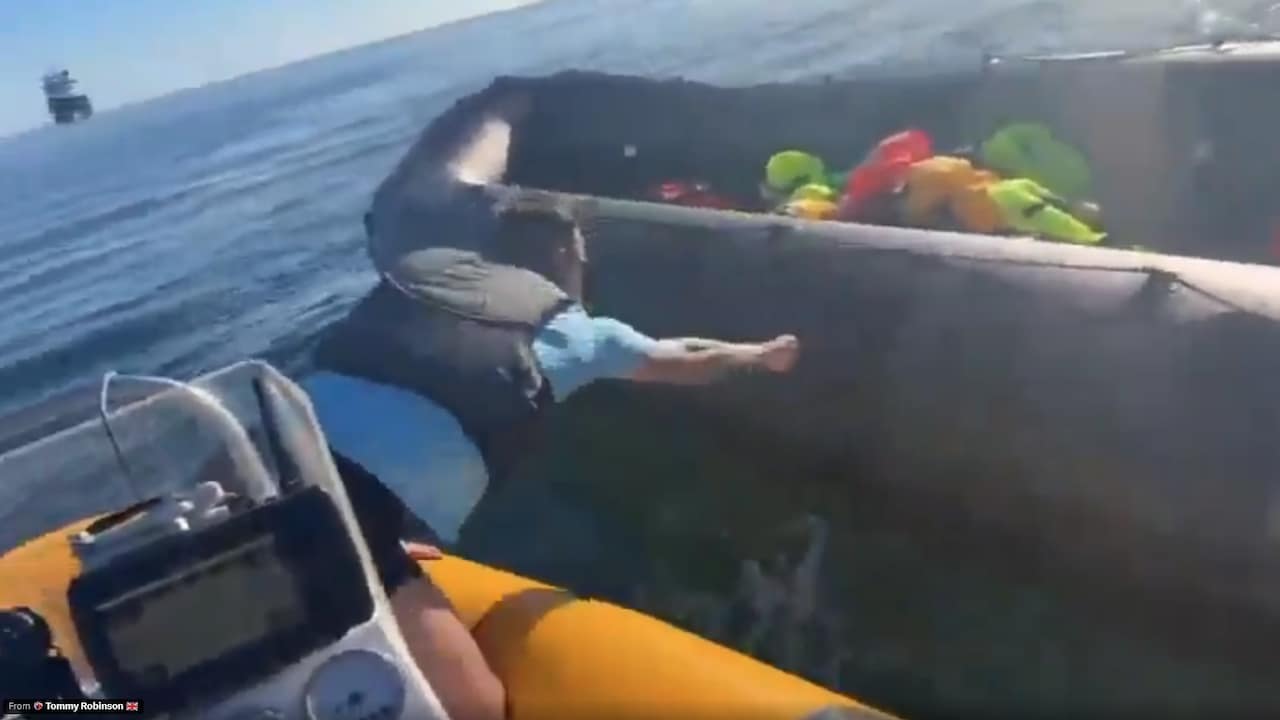
A knife went through rubber in the English Channel while a rescue worker stood yards away. The broadcast went out live to roughly one hundred thousand watchers. Far-right activist Daniel Thomas, who steers the nationalist network Patriot Platform, didn't hide his actions. He stabbed an abandoned migrant dinghy filled with discarded lifejackets after asylum seekers left it, shouting nationalist slogans to a fired-up digital audience.
That single broadcast highlights a volatile shift in how anti-immigration agitation operates on Britain's coastline. Protest groups are moving from shoreline demonstrations to direct maritime confrontation.
Why the Channel Has Become a Stage
Small boat crossings remain a hot-button political crisis across the United Kingdom. Every summer brings rising tensions along southern coastal towns. Gosport recently turned into a flashpoint as hundreds of demonstrators gathered near local facilities after rumors spread about a arriving vessel. Police vans locked down streets. Shouts echoed against the concrete.
Local leadership faces immense pressure. Hampshire and Isle of Wight police and crime commissioner Donna Jones publicly urged Border Force to divert arrivals away from local ports. The argument is simple: local infrastructure cannot handle sudden processing needs, and police resources stretch thin trying to manage hostile crowds alongside marine arrivals.
Yet moving the boats doesn't stop the spectacle. Activists now use high-speed watercraft to track crossings, broadcast the chase, and confront the reality of maritime arrivals in real-time.
Inside the Tactics of Patriot Platform
Thomas brings a convicted background to the forefront of modern British activism, having served prison time for attempted kidnapping prior to unifying various nationalist splinters under the Patriot Platform banner. His group tracks dinghies using personal vessels, turning border enforcement into live content.
When Thomas approached the black inflatable dinghy, a rescue worker wearing a high-visibility jacket and a yellow helmet had just stepped onto the craft from a larger rescue vessel. Rather than hesitating, Thomas stabbed the rubber hull repeatedly. Air escaped loudly as he shouted, "Get off the boat."
Streaming these confrontations serves a clear purpose for extremist organizers. It drives online engagement, builds digital revenue, and rallies followers to physical protest sites on short notice. The presence of a rescue worker onboard didn't stop the attack. It added a layer of direct confrontation that security forces struggle to police miles out at sea.
The Real Cost of Maritime Confrontations
Border Security Command units work around the clock to manage small boat arrivals, but policing the open water against individuals acting as vigilantes introduces severe hazards. When activists target equipment used by rescue personnel or interfere with vessels, they endanger professional crews who already face punishing conditions.
Asylum seekers face grueling journeys lasting upwards of thirty hours before reaching British waters, often ending with multi-mile transfers from Hampshire up to Dover via Border Force cutters. The physical toll on migrants matches the political friction onshore.
Local police forces find themselves caught between managing volatile street protests and keeping maritime corridors safe from unauthorized interference. The incident in the Channel proves that coastal security is no longer just about immigration numbers. It is about public safety on the water and stopping political agitators from turning rescue zones into live-streamed battlegrounds.
Take practical steps to understand local policy changes by tracking official statements from regional police commissioners and Border Force updates, rather than relying on unverified social media livestreams designed to provoke outrage.


