Headlines break for the extraordinary. They flash across screens with casualty counts, leveled apartment blocks, and urgent political speeches. But breaking news leaves a massive blind spot. It never tells you what it takes to make a morning cup of tea when you're restricted to an 18-minute gas ration, or how a child spends hours hunting down stray plastic and thorny twigs just to boil water.
When you trace the anatomy of an ordinary day for ordinary people caught under the Gaza blockade, you find a completely different reality. It’s a reality defined by administrative blacklists, arbitrary bans on everyday items, and the slow, grinding erosion of normal human life. You see how survival itself turns into a grueling logistical marathon before the sun even climbs high in the sky.
The Math Behind a Single Meal
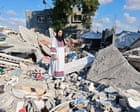
Take Alaa Hessi. She was pregnant and living in a tent pitched directly over the ruined foundations of her former home—a home destroyed by a strike that killed three of her children. To prepare a simple meal or boil water, Alaa has to navigate strict fuel rationing. Families receive limited gas canisters meant to stretch across months, forcing a strict schedule where every minute of burner time counts.
When the gas runs dry, people improvise. Twelve-year-old Ramadan lives in a tent encampment among the sand dunes near Nuseirat. His morning starts long before dawn with a scavenger hunt. Wood is practically non-existent. He combs the beach for washed-up plastic debris and breaks dry thorn bushes off local shrubs to feed a small fire.
Water is an entirely separate crisis. With municipal infrastructure shattered, families rely on irregular deliveries from private water trucks or long, exhausting walks to distant distribution points. Carrying heavy containers back home is a backbreaking chore, made worse when containers are damaged and replacements are impossible to buy.
Bureaucracy and the Dual-Use Ban
The international community often focuses strictly on caloric intake and medical supplies entering through border crossings. But the blockade operates on a much broader, more insidious level through an opaque system known as "dual-use" restrictions. Items classified as dual-use can range from construction materials and medical devices to everyday household goods.
Over the years, blacklists have blocked everything from cancer medications and ventilators to wedding dresses, sewing machines, musical instruments, dates, and children's toys.
Consider the story of Rajab al-Reefi. Rajab runs the Gaza Skate Team, a youth club that gives displaced children a rare outlet for joy and physical expression through skateboarding. Skateboards have a short lifespan. They crack, snap, and wear out. Because skateboards are completely blocked from entering under trade restrictions, the team has been forced into extreme salvage missions. They dig through the rubble of bombed buildings, searching for usable bearings and fractured boards they can piece back together.
Skateboards won't make breaking news chyrons. Their absence doesn't cause immediate starvation. But the ban exposes the precise nature of the siege—a systemic stripping away of lightness, recreation, and the cultural tools that keep people feeling human rather than merely breathing.
Finding Persistence in the Rubble
Against these overwhelming odds, people refuse to stop living. Prof Mahmoud Seydam hooks up improvised wiring to a small solar panel just to charge a laptop. From there, he attempts to upload university lectures over WhatsApp and conducts oral exams because paper notebooks and physical campuses no longer exist.
Mansoura Ibrahim Mohammed Abdel Dayem lives in the back of a flatbed truck, turning a cramped metal bed into a home where she shares family history and stories with her grandchildren. Ramadan watches the sea and dreams of working as a lifeguard.
These aren't the angles you see on nightly news broadcasts. They are the quiet, persistent acts of resistance against total erasure. True understanding doesn't come from the shock value of a single explosion. It comes from looking at the daily endurance required just to see another sunset.