Back in 1984, building a public aquarium on a dying sardine cannery row in California felt like a massive gamble. David and Lucile Packard didn't care about the odds. They wrote a fifty-seven million dollar check that turned an industrial ruin into the Monterey Bay Aquarium. Most people remember the giant kelp forests and the jellyfish tanks, but the real story happens behind closed doors, far away from the ticket turnstiles.
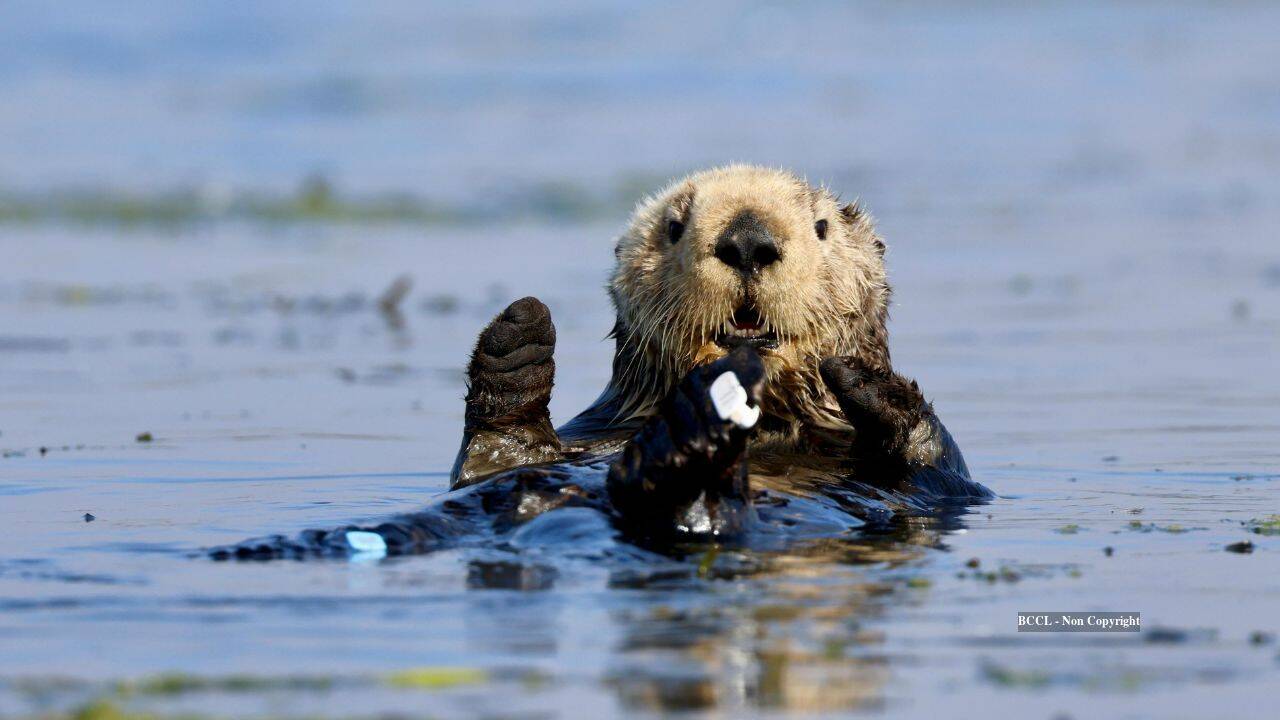
If you look past the tourist crowds, you'll find an intensive wildlife rescue operation that quietly rewrote the book on marine mammal rehabilitation. The aquarium's Sea Otter Recovery Program has handled over one thousand stranded animals since its inception. More impressively, they figured out how to use surrogate mother otters to raise eighty-four pups for successful release back into the wild.
Why does any of this matter outside of coastal California? Because sea otters are keystone species. Pull them out of an ecosystem, and the whole marine food web collapses. Leave them there, and they engineer thriving coastal habitats that fight erosion and naturally purify the water.
The High Stakes of Raising Wild Pups Without Humans
Saving a stranded sea otter pup sounds straightforward until you try doing it without turning the animal into an oversized pet. If a human handler feeds and cuddles a baby otter, that animal is doomed. It will seek out humans in the wild, beg for food, and ultimately get euthanized or killed by boat strikes.
The Monterey Bay Aquarium solved this exact problem with a brilliant, highly specialized surrogate mother system. When an orphaned pup comes in, staff members minimize human contact to an absolute extreme. They wear welder's masks, mute their voices, and feed the animals behind opaque screens.
Next comes the hardest part. The team introduces the fragile orphan to an adult female sea otter already living at the facility. If the adult accepts the pup, she teaches it everything human keepers never could.
The surrogate mother drills essential survival skills into the young otter. She teaches it how to dive deep against rough currents, how to pry open stubborn marine invertebrates, and how to groom its dense fur so it doesn't freeze in the chilly Pacific water. Once the pup masters these behaviors, staff clear it for a return to the open ocean.
Rebuilding Ecosystems from the Ground Up
You can't just drop captive-raised animals anywhere and hope for the best. Real conservation requires targeted interventions that fix broken habitats.
Between 2001 and 2016, researchers released thirty-seven surrogate-reared sea otters into Elkhorn Slough, a tidal marsh on California's central coast. Those specific animals and their descendants drove more than half of the population growth in the area during that timeframe.
The biological chain reaction was fascinating to watch. The recovering otter population hunted down invasive green crabs. With fewer crabs around, marine sea slugs thrived and went straight to work eating the algae that was choking out vital eelgrass meadows.
As the eelgrass roared back to life, it stabilized local shorelines, filtered out pollutants, and created safe nurseries for juvenile fish. It's a striking reminder that protecting a single charismatic mammal can physically heal an entire estuary.
What Most People Miss About Modern Aquariums
Critics often dismiss aquariums as glorified zoos designed to entertain weekend crowds. That perspective ignores how private philanthropy funds heavy-lift marine science.
The initial Packard gift didn't just buy concrete and glass. It laid the financial foundation for the Monterey Bay Aquarium Research Institute, known as MBARI. While the public aquarium translates ocean science into daily educational exhibits, MBARI engineers build deep-sea robots that explore trenches humans can't reach.
Funding conservation on this scale takes massive, long-term capital. When private donors commit tens of millions of dollars to environmental infrastructure, the returns show up decades later in restored wildlife populations and cleaner coastal waters.
If you want to support marine conservation locally, stop buying single-use plastics and pay attention to sustainable seafood guides like the aquarium's Seafood Watch program. Real environmental impact starts with everyday consumer choices, long before a stranded pup ever hits a rehabilitation tank.